
Host Communities Seek Direct Share from Oil-Producing States Derivation
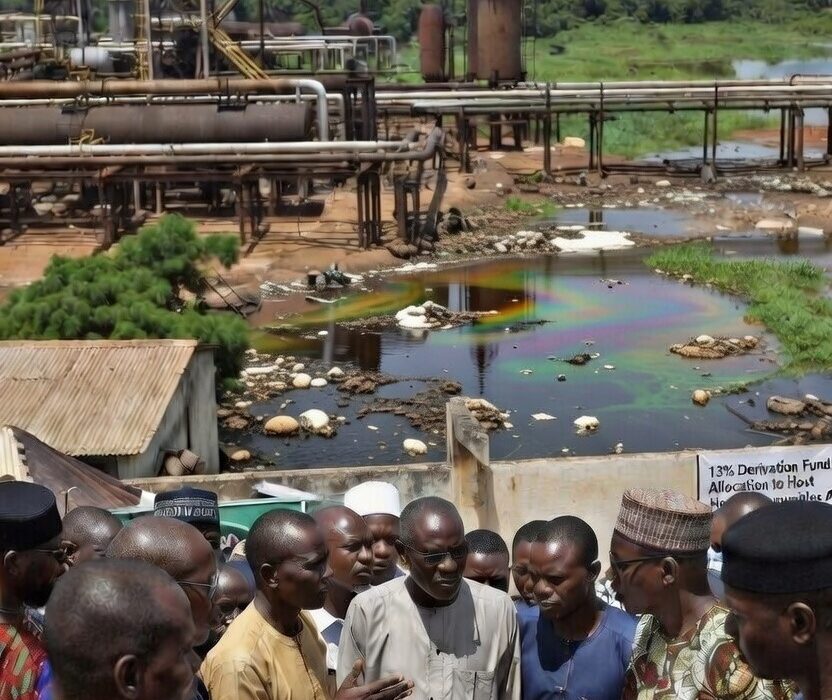
Oil-producing communities in the Niger Delta have called on state governments to allocate a portion of the 13 per cent derivation revenue directly to host areas, arguing that the communities where crude oil is extracted should benefit more visibly from the funds.
The demand was made by leaders of oil-bearing communities who said that although the 3 per cent Host Community Development Trust provided under the Petroleum Industry Act offers some relief, it does not adequately address the scale of environmental and infrastructure challenges faced by residents.
According to the community representatives, the derivation fund was established to support oil-producing areas, but over the years it has largely remained under the control of state governments, with limited direct impact at the grassroots level.
They maintained that channeling part of the allocation into structured community trusts would promote faster and more transparent development.
The leaders also raised concerns over internal disagreements within some Host Community Development Trusts, noting that disputes among stakeholders have slowed down project implementation in certain areas. They urged trustees and community members to prioritise collaboration to ensure that funds are properly utilised for the intended purposes.
In response to recurring conflicts between oil companies and host communities, the Nigerian Upstream Petroleum Regulatory Commission has established a dispute resolution centre in Bayelsa State to address grievances.
Stakeholders were encouraged to make use of the mechanism to resolve issues amicably and sustain stability in oil-producing regions.
Community leaders further reminded trustees that administrative expenses under the PIA are capped at five per cent of total funds, warning that exceeding this threshold would undermine development efforts.
They stressed the need for strict adherence to financial guidelines to ensure that the bulk of the resources goes into infrastructure and social projects.
They also appealed to residents to protect oil facilities within their domains, noting that vandalism and sabotage often result in production losses and expensive repairs, which ultimately affect available revenue for development.
Regulatory officials reiterated that the PIA framework was designed to enhance accountability and ensure that host communities derive measurable benefits from oil and gas operations.
They emphasised the importance of cooperation among state governments, oil firms and community stakeholders in achieving sustainable development across the Niger Delta.