



Mpox Cases Fall by 58% in Africa, New Outbreaks Raise Concerns – Africa CDC
The Africa Centres for Disease Control and Prevention (Africa CDC) has announced a significant drop in mpox cases across the continent, with figures showing a 58 per cent decline between epidemiological week 19 and week 30 of 2025.
Speaking during the agency’s weekly briefing on Friday, Africa CDC Director-General, Dr. Jean Kaseya, hailed the progress as a major public health achievement, attributing it to stronger national leadership, enhanced community engagement, and improved health systems. He noted that the coordinated response, backed by Africa CDC and its partners, had been instrumental in driving down transmission rates.
“This is a demonstration of what Africa can achieve when we act together. Strong political will, investment in communities, and robust surveillance are changing the course of this outbreak,” Kaseya said.
Vaccine Rollout Making an Impact
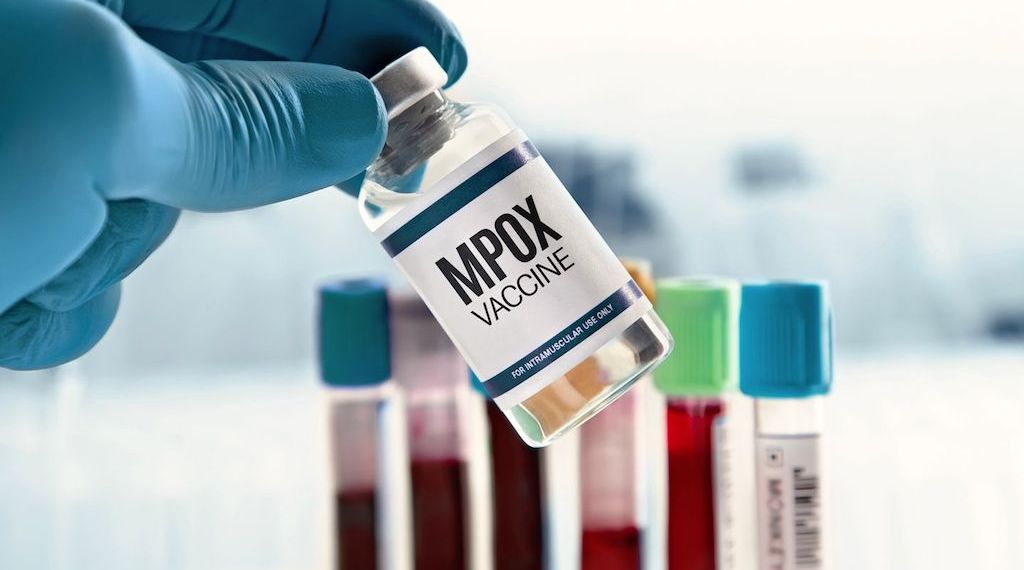
According to the Africa CDC, more than 3.1 million mpox vaccine doses have so far been distributed to 12 African countries, with over 886,000 people vaccinated.
The Democratic Republic of Congo (DRC), which has been one of the hardest-hit nations, accounted for 69 per cent of those vaccinated.
The vaccination drive has been complemented by intensified surveillance, public awareness campaigns, and cross-border coordination to detect and contain new cases quickly.
Emerging Threats Despite Progress
While welcoming the downward trend, Dr. Kaseya cautioned that the fight against mpox is far from over. He revealed that new outbreaks had been detected in Gambia, Cameroon, and Mozambique, underlining the virus’s continued threat to public health.
Even more concerning, he said, is the recent detection of multiple mpox clades in Kinshasa, including the high-risk Clade IIb, which is known for its potential to spread more easily and cause more severe disease.
“The emergence of multiple clades, particularly Clade IIb, poses a new layer of complexity in our containment efforts,” Kaseya warned. “We cannot afford to relax our vigilance. Every country must maintain and strengthen its surveillance and preparedness systems.”
The Africa CDC has urged all member states to continue active case finding, laboratory testing, and community education, while ensuring equitable access to vaccines. The agency also stressed the need for rapid response teams to remain on high alert, especially in countries where mpox has not been recently reported.
Mpox, formerly known as monkeypox, is a viral disease transmitted to humans through close contact with an infected person, animal, or contaminated material.
While often self-limiting, it can cause severe illness, particularly among children and immunocompromised individuals.
With the combination of declining case numbers and new outbreak detections, health experts say Africa’s current mpox situation represents both a milestone and a warning progress has been made, but complacency could reverse the gains.