

Sultan Rejects Claims of Anti-christian Agenda, Calls for Religious Understanding
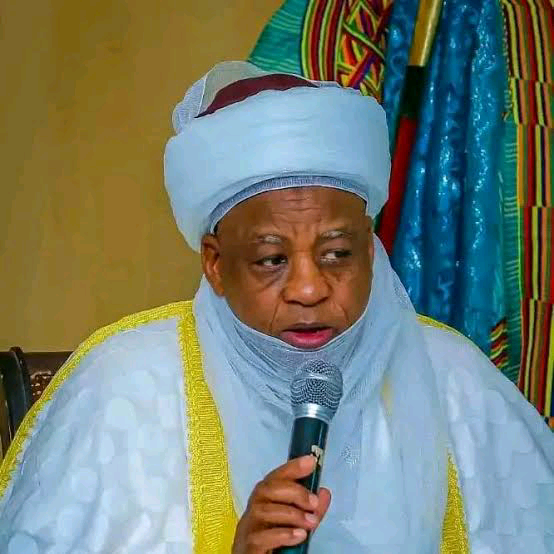
The Sultan of Sokoto, Sa’ad Abubakar III, has dismissed claims that Muslims in Nigeria are seeking to eliminate Christians, insisting that insecurity and violence in the country should not be interpreted through a religious lens.
Speaking on Wednesday during the first triannual meeting of the Nigeria Inter-Religious Council in Abuja, the Sultan said criminal activities across the country were often wrongly presented as religious conflicts, thereby increasing mistrust among citizens.
The meeting brought together religious leaders and government officials, including President of the Christian Association of Nigeria, Daniel Okoh, and Secretary to the Government of the Federation, George Akume.
According to the Sultan, Muslims and Christians must continue to coexist peacefully through dialogue, mutual respect and understanding.
He warned against attaching religion to acts of violence, stressing that individuals who commit crimes while claiming religious justification do not represent Islam.
The Sultan also condemned attacks carried out in the name of religion, stating that those who kill innocent people while invoking God would face divine punishment.
He further linked rising tensions to ignorance and misinformation, noting that fluency in Arabic or religious expressions does not automatically confer religious authority.
CAN President Daniel Okoh, in his remarks, emphasised the importance of religious literacy in promoting national unity and reducing suspicion among different faith communities.
Okoh said many conflicts labelled as religious were often rooted in social, political or economic issues rather than theology, adding that interfaith cooperation remained essential to peacebuilding in Nigeria.
He stated that NIREC had continued to demonstrate that Christians and Muslims could work together around shared values such as peace, justice and national development.
Also speaking at the event, Akume said ignorance and misunderstanding often fuel division and conflict, while education and empathy help strengthen trust among citizens.
The SGF called on schools, universities and community institutions to encourage inclusive teaching about religion and worldviews, urging Nigerians to reject narratives capable of deepening divisions.
Akume also stressed the need for government efforts to address insecurity, particularly attacks targeting schoolchildren and communities affected by terrorism and kidnapping.