



Oil Prices Drop to $65 a Barrel – Lowest April 2021 as Trade Tensions and Supply Rush Bite
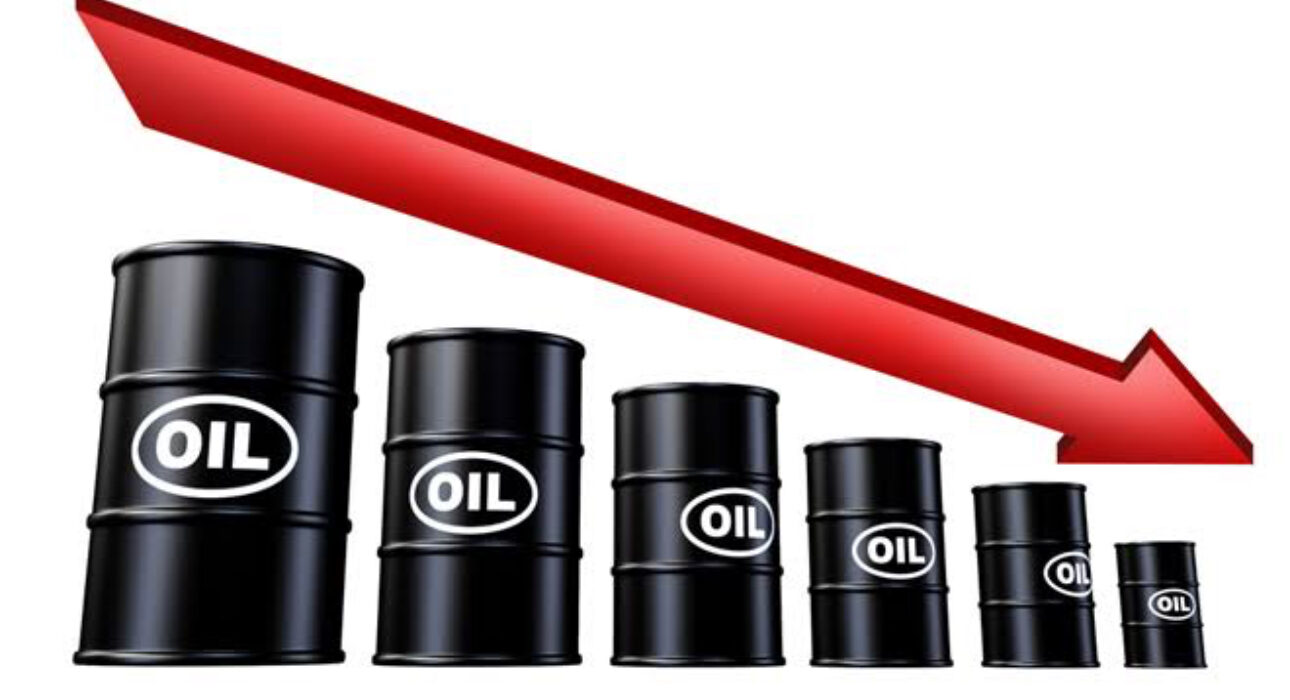
Prices of oil crashed to $65 per barrel, the lowest they have been since April 2021, in a stunning flip. This has been brought about by a confluence of events, most of which are being attributed to an enormous increase in oil supply plus increasing global trade tensions, both of which caused crude oil prices to make an abrupt drop.
The recent fall in oil prices followed after Saudi Arabia and the OPEC+ group agreed to increase production. Starting from May 2025, Saudi Arabia will lead the change to increase production by 411,000 barrels per day as part of an effort to curb compliance problems among members of the OPEC+ group. While this option has been aimed at steadying the internal ailments of the group, it has also caused a surplus of crude oil in the global market, lowering prices.
This unexpected surge in supply comes when the oil market was already experiencing pressure. Increasing production is further exacerbating a global supply surplus, leading oil prices to plummet. Brent crude oil, which serves as an international benchmark, has fallen to below $66 per barrel, the lowest level since April 2021.
In addition to the surge in oil supply, heightened tensions in trade relations between the United States and China have stoked the flames. The U.S. government recently imposed the imposition of 25% tariffs on imports, including automobiles and automobile components. This has raised the specter of a trade war between the two largest economies in the world.
Consequently, China has also retaliated by imposing tariffs on US products, adding to the escalation. The escalating trade tensions have raised concerns of a potential slowdown in global economic growth, and this may lead to reduced demand for oil. This worsening of world trade relations has sent shivers that consumer and industrial demand for oil will be dampened further and thus prices will continue to decline.
Although both the supply-side and demand-side forces are accumulating, experts have been concerned with the future of crude oil prices. The boost in production by OPEC+ countries, particularly Saudi Arabia, combined with global uncertainty created by trade wars, should have oil prices remaining under strain in the short run.
If such tensions persist and demand is not strong, then prices are likely to remain at these low levels for the short term, perhaps impacting the world economies heavily reliant on oil exports.
While the price of oil rests at historic lows for near two years, the global oil market finds itself in an uncertain period during which both geopolitical and economic considerations will most likely assume significant roles in shaping the fate of the market.