
Iran’s Attacks Systematic Campaign Against Civilians, UAE Tells UN Human Rights Council
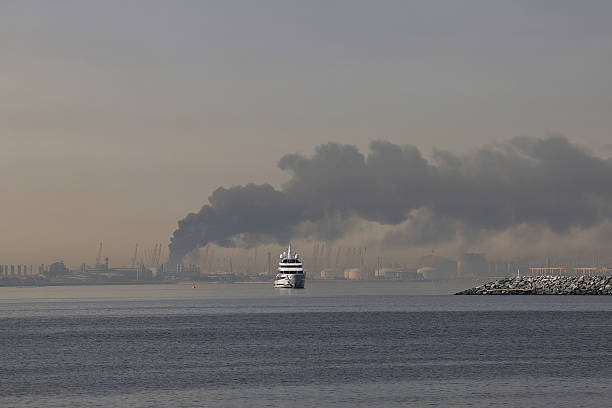
The United Arab Emirates has delivered a stinging indictment of Iran’s conduct since the outbreak of the Middle East conflict, telling the United Nations Human Rights Council that Tehran’s attacks were not acts of military retaliation but a deliberate, systematic campaign against civilian life and infrastructure.
Speaking before the Human Rights Council in Geneva, Jamal Al Musharakh, UAE Permanent Representative to the United Nations Office and Other International Organisations, said what the world was witnessing was “not merely a military escalation, but a systematic, reckless behaviour that undermines the foundations of the international order and threatens regional and international security and stability, particularly as it targets infrastructure directly linked to the safety of civilians, energy security, the global economy, and international supply chains.”
The empirical record supports the severity of those accusations. Iranian munitions struck or targeted Dubai International Airport, Abu Dhabi’s Zayed International Airport, the Fairmont Hotel on Palm Jumeirah, the Burj Al Arab, Jebel Ali Port the Middle East’s busiest the Dubai International Financial Centre, residential buildings in Abu Dhabi and Sharjah, an Amazon Web Services data centre, and ADNOC’s Ruwais refinery. Iran subsequently issued evacuation warnings for three major UAE ports and announced its intention to target banks and financial institutions across the region.
As of April 1, Iran had fired a total of 438 ballistic missiles, 2,012 drones, and 19 cruise missiles at targets in the UAE alone, according to the UAE Ministry of Defence.
Most were intercepted by UAE air defences, but interception debris and falling projectiles caused damage to civilian infrastructure and triggered fires in populated areas of Abu Dhabi and Dubai. The attacks killed seven people and injured 145 others, in what the UAE described as a flagrant violation of the country’s sovereignty and the principles of the United Nations Charter and international law.
Al Musharakh dismissed Iran’s characterisation of its actions as “retaliatory strikes,” affirming the UAE’s categorical rejection of any justifications or pretexts put forward by Tehran, particularly given the UAE’s clearly stated position that it would not allow its territory to be used in any military operation against Iran.
He noted that the UN Security Council had adopted Resolution 2817, co-sponsored by 136 member states, which condemned in the strongest terms the Iranian attacks against the UAE and other Gulf states and Jordan a record number of sponsors that the UAE said sent an unmistakable message about the breadth of international condemnation.
“Iran now finds itself isolated from both its neighbours and the broader international community,” Al Musharakh said, adding that the UAE reaffirms its full right under Article 51 of the UN Charter to take all necessary measures to safeguard its sovereignty, national security, and territorial integrity.
Iran has continued to insist that its strikes were directed at American military assets in the region, a position the UAE and its allies have flatly rejected as contradicted by the scale and nature of the damage to non-military sites across multiple Gulf countries.