
President Tinubu Dismisses Critics, Vows to Sustain Economic Reforms
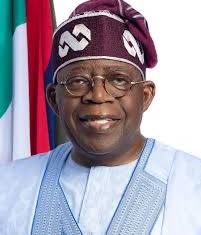
President Bola Ahmed Tinubu has issued a defiant response to critics of his administration, declaring that no amount of political pressure or “noise-making” will deter him from his “Renewed Hope” agenda.
Speaking on Thursday at the State House in Abuja to members of the Renewed Hope Ambassadors, the President brushed aside calls for his resignation and questions regarding the pace of his reforms, asserting his commitment to long-term national restructuring.
”They want to scare me off? That is a lie,” the President told the gathering, referencing the sustained criticism from opposition figures and civil society groups over the current economic hardship. “I have been through this path before, and if I have to go through it again, I will. The voyage is not easy, but I will not run away from this fight.” His remarks come amid heightened tensions over the impact of subsidy removals and currency unification, policies the Presidency maintains are essential to correcting decades of “structural distortion.”
President Tinubu also took the opportunity to challenge the record of his political opponents, urging his supporters to be more vocal in defending the government’s achievements. He pointed to improved security and the return of farmers to previously volatile areas in Kaduna as tangible signs of progress. “If we don’t tell our story, we should not blame the opposition when they tell it wrongly,” he noted, emphasizing that the administration is now focused on the “research and details” of delivering its promises to Nigerians.
The President’s address coincides with a broader push to modernize Nigeria’s fiscal architecture, including the recent commissioning of the 16-story Nigeria Revenue Service (NRS) Headquarters and the introduction of new tax laws intended to replace “colonial-era” policies. While acknowledging the current challenges, Tinubu expressed confidence that the 2026 fiscal year—backed by a ₦58.18 trillion budget—will mark a decisive shift toward economic stability and “results-driven governance.”