


Palm Sunday: CAN Urges Leaders to Ease Hardship Facing Nigerians

By Momodu Favour
The Christian Association of Nigeria (CAN) has called on political leaders across the country to demonstrate empathy and take urgent steps to alleviate the growing economic hardship confronting Nigerians.
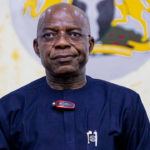
The appeal was made by CAN President, Daniel Okoh, in a Palm Sunday message issued as Christians commemorated the symbolic entry of Jesus Christ into Jerusalem.
Okoh said the significance of Palm Sunday offers timely lessons on leadership, especially at a time when many Nigerians are grappling with economic difficulties and global uncertainty.
Drawing from the biblical narrative, he noted that Jesus’ entry into Jerusalem symbolised humility, peace, and purposeful leadership rather than the display of power.
“Jesus entered Jerusalem with calm resolve at a time of uncertainty and expectation. It was not a show of force, but a message of peace, purpose, and hope,” he stated.
The CAN president said Nigeria’s current socio-economic realities demand similar qualities from those in positions of authority, stressing that rising living costs have placed immense pressure on citizens.
“Across Nigeria, many are feeling the weight of the times. The cost of living is rising, and for countless families, daily life is getting harder,” he said.
Okoh linked the domestic economic strain to global developments, particularly tensions involving Iran, Israel, and the United States, noting that disruptions in global energy markets are already impacting Nigeria.
“The impact is already here. Fuel is more expensive. Transport costs are rising. Food prices are climbing,” he added, warning that these pressures are worsening the hardship faced by ordinary Nigerians.
He emphasised that in times of uncertainty, the tone and actions of leaders play a critical role in restoring public confidence and stability.
“For many Nigerians, the concern is simple and immediate: how to cope, how to plan, how to stay afloat. When life feels this uncertain, people need reassurance, stability, and the quiet confidence that those in positions of responsibility understand what they are going through,” Okoh said.
The cleric urged leaders to adopt a governance style rooted in compassion, restraint, and commitment to the common good, noting that effective leadership is reflected in actions that ease burdens and bring people together.
“True leadership is not always loud. It is seen in empathy and in decisions that ease burdens, calm anxieties, and unite people. This is a time for such wisdom,” he added.
The statement comes amid growing calls from religious and civic groups for government at all levels to implement policies that cushion the impact of economic challenges and improve the welfare of citizens.