


UN Security Council Adopts Resolution Demanding Halt to Iranian Attacks on Arab Nations
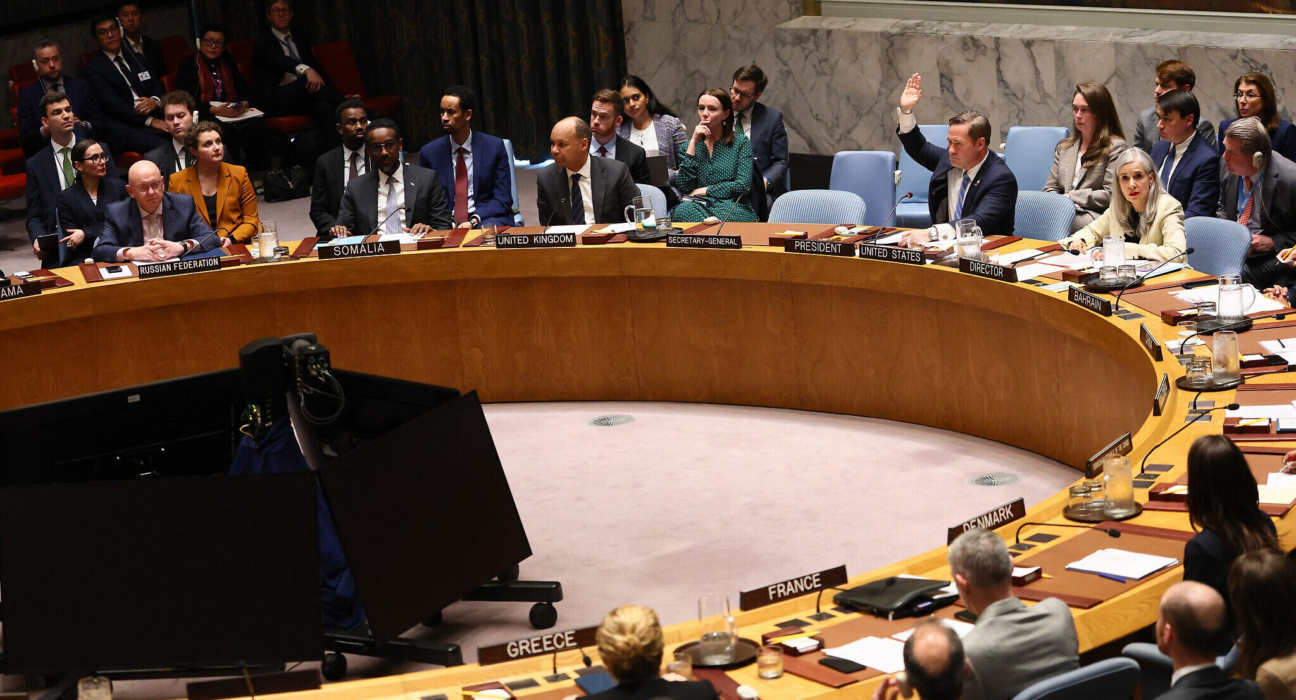
In a significant move amid escalating tensions in the Middle East, the United Nations Security Council has passed a resolution calling for an immediate end to Iranian military actions against Arab countries.
The decision underscores growing international concern over the region’s stability and highlights the council’s push for de-escalation. This step aims to address the ongoing conflicts that have heightened fears of broader instability.
For the average person, this resolution acts like a global referee blowing the whistle on a heated conflict. It doesn’t automatically stop the fighting but puts formal pressure on Iran to cease its operations, potentially paving the way for diplomatic talks or further sanctions if ignored.
Experts view it as a diplomatic win for Arab states and their allies, signaling that Iran’s actions are seen as a threat to regional peace.
The resolution comes against the backdrop of recent Iranian strikes on targets in countries like Iraq, Syria, and possibly others in the Arab world, often justified by Tehran as responses to perceived aggressions. These attacks have involved missiles, drones, and proxy forces, raising fears of a wider war involving major powers. The UNSC’s action demands a cessation of these hostilities, emphasizing the protection of civilian lives and infrastructure.
The announcement include a unanimous or near unanimous vote, though specifics on veto-holding members like Russia and China remain unclear, and surprisingly, no veto was exercised despite their alliances with Iran. The resolution may also call for monitoring mechanisms to ensure compliance, though enforcement relies on member states’ cooperation.
This reflects a rare consensus in addressing the crisis.
Public and expert reactions have been swift and varied. Some praise the UN for acting decisively, noting it could prevent further escalation and save lives. Others criticize it as one-sided, pointing out the lack of similar condemnations for U.S. or Israeli strikes on Iranian targets. Online discussions highlight perceived hypocrisy in international bodies, with comments reflecting broader skepticism about fairness.
This resolution marks a critical juncture in the Middle East crisis, with implications for global security and economics. A prolonged conflict risks disrupting oil supplies from the Gulf, spiking prices worldwide and affecting fuel costs to food inflation. For Nigerians and others in Africa, this could mean higher import bills and economic ripple effects. While offering hope for de-escalation, its success hinges on all parties’ willingness to negotiate, urging continued international pressure to foster lasting peace.