


President Tinubu Explains Signing of New Electoral Act to Avoid National Turmoil
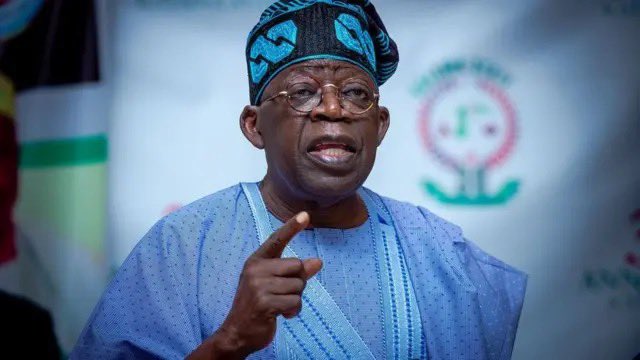
President Bola Ahmed Tinubu has opened up about his decision to sign Nigeria’s new Electoral Act, stating that he did so to prevent throwing the country into chaos.
During a conference hosted by the Nigerian Television Authority (NTA), Tinubu described himself as a “die-hard Democrat” committed to national unity. He emphasized that the bill had already garnered overwhelming support from the National Assembly, leaving him with no alternative but to endorse it.
For everyday Nigerians, this highlights the president’s focus on stability amid ongoing political reforms, ensuring that democratic processes remain intact without sparking unrest.
In his remarks, Tinubu reiterated his lifelong philosophy of fostering a united Nigeria and respecting democratic institutions. He noted that signing the act was a submission to the rule of law, as the legislature had passed it with a strong majority. “I don’t want to throw the country into turmoil,” he said, underscoring that his choice was guided by principles that would “live and die” with him. This move aligns with his broader commitment to upholding democratic values, even when faced with challenging decisions from other branches of government.
Experts in governance see this as a pragmatic step, aligning with efforts to strengthen electoral integrity and transparency in Nigeria’s political system.
By signing the act, Tinubu avoided potential conflicts between the executive and legislative arms, which could have led to legal battles or public discord. Analysts point out that such reforms are crucial for building trust in elections, potentially reducing disputes and enhancing voter confidence in future polls.
The president’s emphasis on unity reflects ongoing challenges in Nigeria, where regional and ethnic divisions often influence politics. His decision underscores the importance of collaborative governance, where leaders prioritize national cohesion over personal or partisan interests.
This approach could set a precedent for handling future legislation, promoting smoother interactions within the federal structure.
This new development is significant for Nigeria’s democracy, where electoral reforms aim to enhance transparency but often require careful navigation of power dynamics. Tinubu’s admission could bolster trust in institutions if followed by effective implementation, yet it also invites scrutiny on executive influence. As the nation navigates these changes, observers call for continued dialogue to ensure that unity and rule of law translate into tangible benefits for all Nigerians.