


BlackRock CEO Larry Fink Says Iran War Could Lead to Lower Energy Prices Long-Term
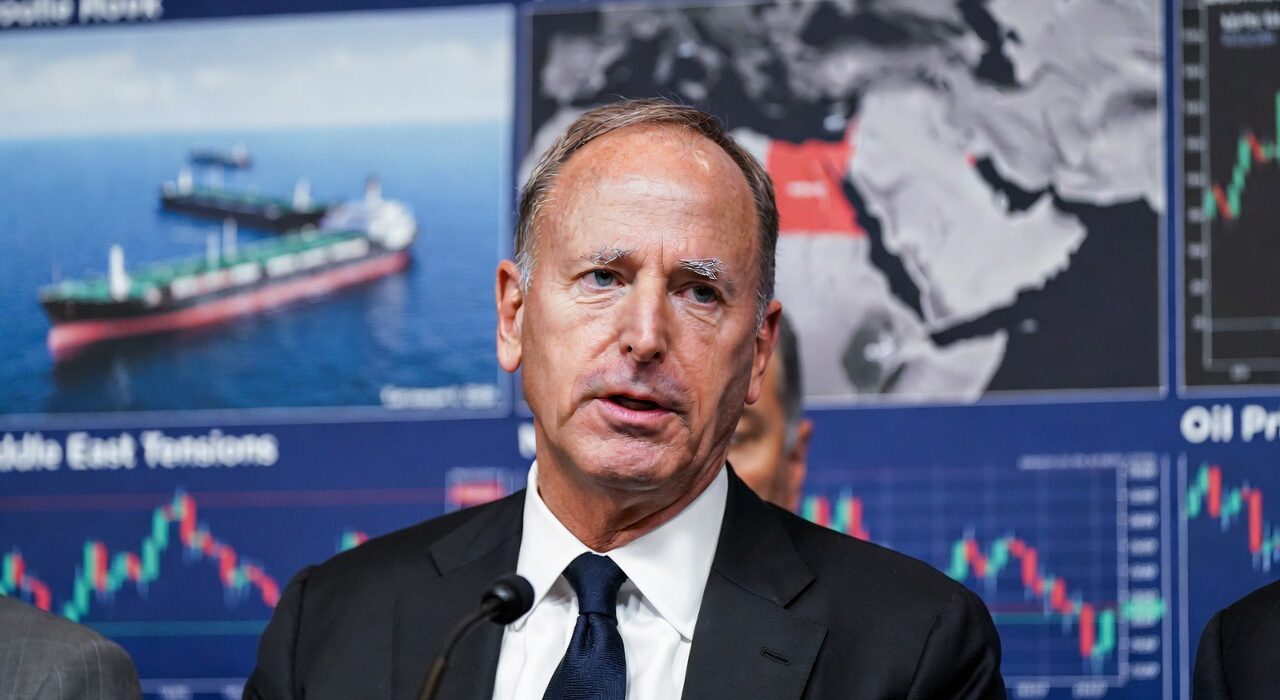
In a provocative statement amid escalating Middle East tensions, BlackRock CEO Larry Fink has claimed that a potential war with Iran could ultimately result in lower energy prices over the long term.
This remark, shared during a recent discussion, has ignited debates across financial, political, and social spheres. For the average person, it suggests that while immediate conflict might drive up fuel and living costs due to supply disruptions, a post-war scenario could stabilize markets by increasing oil availability.
Experts in energy and geopolitics see Fink’s view as rooted in the possibility of regime change in Iran unlocking vast oil reserves currently limited by sanctions and instability. They argue that greater integration of Iranian resources into global supplies could suppress prices, benefiting consumers worldwide.
However, this optimistic outlook assumes a quick resolution without prolonged chaos, an outcome many analysts deem uncertain given historical precedents in the region.
The comment on Fink’s claim emerges against a backdrop of heightened conflicts, including Iran’s alleged deployment of naval mines in the Strait of Hormuz and threats to oil tankers.
Recent U.S. actions, such as escorting vessels through the strait, underscore the fragility of global energy routes. Fink’s perspective aligns with some market forecasts that predict short-term price spikes followed by declines if Western-backed stability prevails.
Public reactions have been swift and polarized, with many criticizing Fink for seemingly endorsing war for corporate profit. Social media users have accused him of advocating resource theft, drawing parallels to domestic wealth extraction from middle-class Americans.
Others express doubt, emphasizing that victory and regime change are not guaranteed, potentially leading to higher prices instead.
Broader implications extend to global economies, where oil dependent countries like Nigeria could face immediate hardships from volatility but benefit from eventual price drops in imports and manufacturing. Financial institutions may adjust strategies, with energy stocks fluctuating based on war probabilities. Ethically, the statement raises concerns about prioritizing economic gains over human lives and regional sovereignty.
Fink’s remarks underscore the complex ties between warfare and markets, prompting calls for diplomatic alternatives to avoid escalation. As events unfold, investors and policymakers will weigh these potential benefits against the profound risks, shaping future energy policies and international relations.