




Iran’s Port Retaliation Threat Escalating Middle East Tensions
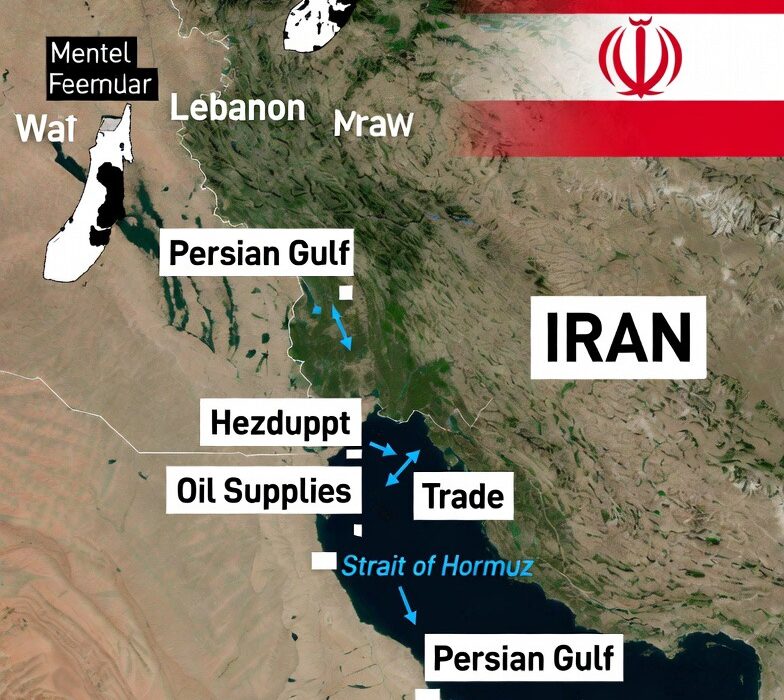
Iran has warned that it will target regional ports if its own facilities face attacks, amid rising conflicts in the Middle East involving Israel and Lebanon.
This statement highlights Iran’s intent to respond in kind, potentially disrupting key trade routes and oil supplies. For the average person, this could mean higher fuel costs and supply chain delays. Experts view it as a deterrence strategy, using Iran’s location near vital waterways to discourage aggression.
The threat stems from ongoing disputes, with Iran accused of backing groups like Hezbollah amid recent Israeli strikes in Lebanon. Iran’s Persian Gulf ports are essential for its oil exports, and damaging them would harm its economy.
By vowing to strike back at neighboring ports, such as those in Gulf states, Iran employs a mutual vulnerability tactic common in geopolitics.
A key concern is the Strait of Hormuz, through which much of the world’s oil flows. Iranian officials have hinted at blocking it until compensated for perceived damages from U.S. and Israeli actions. This could cause global energy shortages, exacerbating issues from other conflicts like the Russia-Ukraine war, affecting economies in Europe and Asia.
Reactions to the warning vary, with some seeing it as justified defense and others warning of economic fallout for regional allies. The statement underscores how digital narratives can amplify geopolitical fears, though biases often shape interpretations.
Broader effects include risks to international trade, from oil to goods, impacting distant nations like China and India. Diplomatically, it might spur talks or strengthen anti-Iran alliances, while raising questions under laws protecting navigation.
This threat highlights regional fragility, where deterrence could avert attacks but risks wider escalation. It calls for dialogue to prevent local issues from becoming global crises, relevant for both everyday observers and analysts.


