



IPAS Demands Legal Reform over Unsafe Abortion Crisis in Nigeria
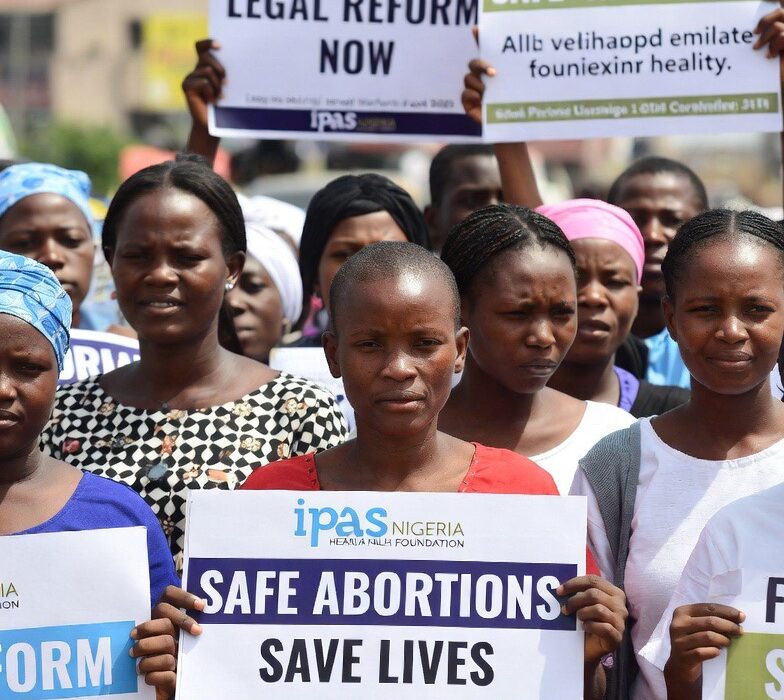
Unsafe abortions continue to claim the lives of Nigerian women, prompting urgent calls for legal changes from the Ipas Nigeria Health Foundation.
The organization highlights how restrictive laws and societal stigma drive women to dangerous, clandestine procedures, often resulting in preventable deaths. For everyday Nigerians, this means recognizing abortion as a critical health issue rather than a taboo, potentially saving lives through better access to safe care. Experts emphasize that reforming outdated colonial era laws could empower women to make informed choices, aligning with global health standards.
The problem stems from Nigeria’s abortion laws, over 150 years old and inherited from colonial times, which limit safe options and attach shame instead of support. Many women, especially survivors of sexual violence, face unwanted pregnancies without adequate services, leading to trauma and health risks. Ipas advocates for expanded training for healthcare providers and access to approved medications for self managed care, arguing that these steps would reduce maternal mortality significantly.
Statistics reveal the severity: unsafe abortions account for at least 13% of maternal deaths in Nigeria, one of the top preventable causes among reproductive-age women.
Additionally, 76% of women and girls aged 15-49 have experienced sexual violence, with about three in 25 becoming pregnant from rape. These figures underscore the public health crisis, where myths and barriers push vulnerable individuals toward untrained providers or harmful methods.
Dr. Lucky Palmer, Country Director of IPAS Nigeria, criticizes the laws as handcuffing women’s decisions, stating they promote stigma over empathy. He urges reforms to create a safe environment for choices, noting that safe abortions when provided by professionals or via prescribed medication are extremely safe based on medical evidence. This perspective calls on policymakers to act, especially around International Women’s Day themes like “Give to Gain,” to prioritize women’s health.
Broader effects include perpetuating inequality, as limited access disproportionately affects marginalized groups, worsening poverty and social unrest. Successful reforms could lower death rates, improve reproductive rights, and foster empathy in society, benefiting families and communities.
Addressing unsafe abortions through legal and systemic changes is essential for Nigeria’s progress. While offering hope for reduced fatalities, it requires commitment from leaders to shift from outdated restrictions to supportive policies, relevant for both citizens and health advocates.