


Major Air Travel Disruptions as Iran Closes Airspace Following US-Israeli Strikes
By 𝔸bdulrazak Tomiwa
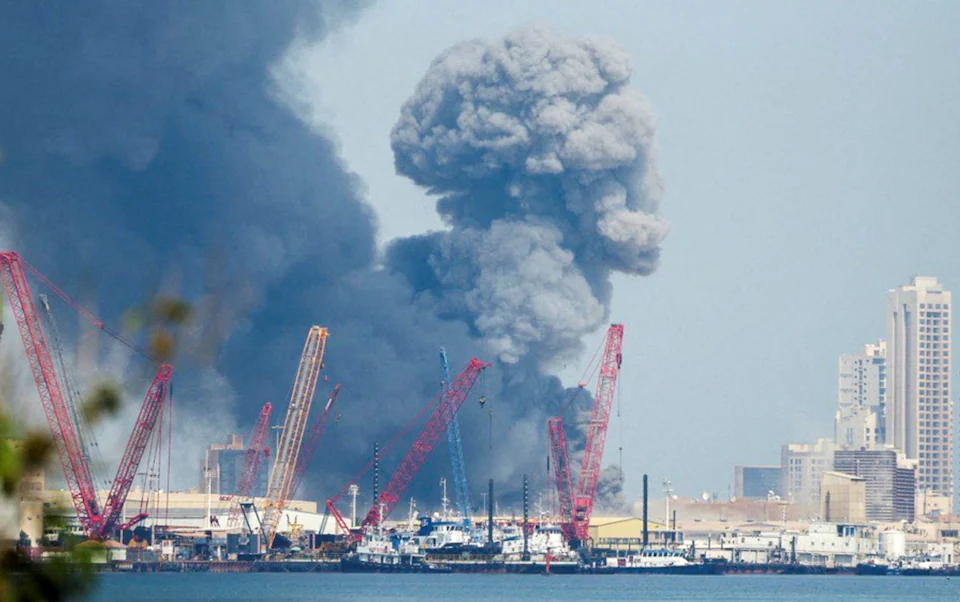
Global aviation has been thrown into chaos after Iran suspended all flights and closed its airspace following massive overnight military strikes by the US and Israel.
The closure has forced international airlines to reroute or cancel dozens of flights, creating a massive bottleneck for travel between Europe, Asia, and the Middle East.
Dubai International Airport, one of the world’s busiest transit hubs, has seen significant disruptions with hundreds of passengers stranded. Major carriers, including Emirates and Qatar Airways, have been forced to divert planes mid-flight to avoid the escalating conflict zone, adding hours to travel times and increasing fuel costs.
The military escalation began after U.S. President Donald Trump confirmed “major combat operations” were underway against Iranian targets. The strikes, described as a preemptive measure to dismantle missile infrastructure, have turned the region into a “no-fly zone” for commercial aviation for the foreseeable future.
Aviation safety experts warn that the closure of Iranian and potentially Iraqi airspace leaves very few safe corridors for long-haul travel. This “squeezing” of available routes is expected to lead to higher ticket prices and prolonged delays as airlines scramble to adjust their schedules.
Several European nations, including Germany and France, have issued urgent travel warnings, advising their citizens against all travel to the region. Many airlines have already announced the total suspension of services to Tehran, Tel Aviv, and Beirut until security can be guaranteed.
Highlighting the severity of the situation for the aviation industry, a spokesperson for Dubai Airports stated, “We are working closely with airlines and authorities to manage the impact of these airspace closures on our operations and passengers.”