

Telecom Operators Face Surge in Fibre Cuts, Vandalism, and Access Denials Across Nigeria
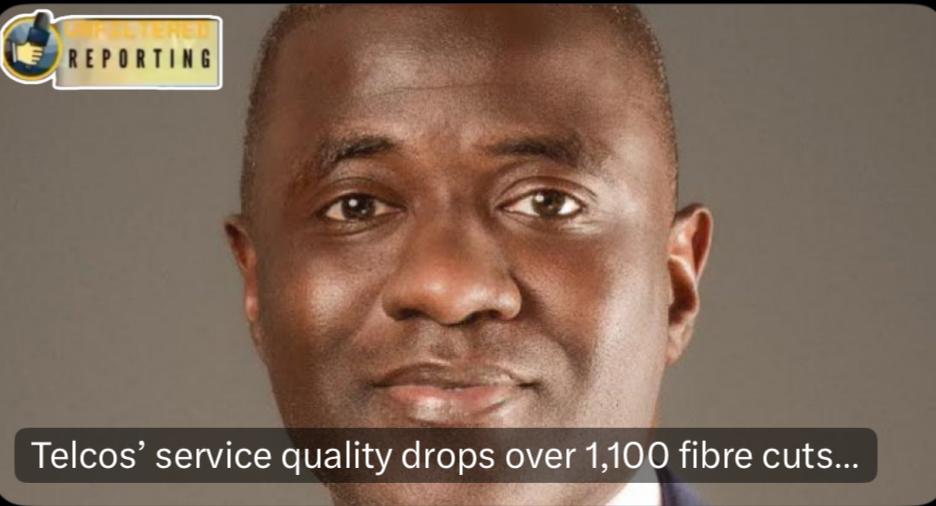
Telecommunication companies in Nigeria are currently contending with a growing wave of infrastructure challenges as they record an average of 1,100 fibre cuts weekly, alongside 545 incidents of access denial and 99 cases of equipment theft over the past six months.
The alarming rate of these disruptions has significantly affected the quality and reliability of telephone and internet services across the country. The Nigerian Communications Commission (NCC), which disclosed the figures, said the situation has worsened despite existing laws designed to protect telecom infrastructure. Executive Vice Chairman of the NCC, Dr. Aminu Maida, revealed the statistics during a recent Critical National Information Infrastructure (CNII) and Sustainability Conference, stating that the fibre cuts and other forms of sabotage are threatening the stability of Nigeria’s digital economy. He noted that between January and June 2025 alone, telecom operators experienced 349 major service outages—an average of nearly two per day. Although the federal government had introduced the CNII Order in 2024 to designate telecom infrastructure as critical national assets, enforcement remains a major challenge. The Commission and industry stakeholders say weak implementation of the policy has allowed vandalism and obstruction to persist unchecked. Operators such as Airtel, MTN, Glo, and 9mobile have all suffered heavy losses as a result of the attacks. Airtel Nigeria reported 7,742 fibre cuts within six months, and the total industry loss from such incidents was estimated at over ₦35.4 billion in 2023 alone. The damages have not only led to service downtimes but have also affected sectors like banking, healthcare, and security, which depend on telecom networks for daily operations. In response, the federal government set up a Joint Standing Committee in February 2025, bringing together the Ministry of Communications, the Ministry of Works, and the NCC to address the issue. The committee was tasked with improving coordination between telecom operators and government agencies, especially during road construction and utility works that often lead to cable damage. While some states have reduced Right-of-Way charges and improved regulatory support to encourage infrastructure deployment, the industry continues to face resistance in certain areas. Access denials by communities, local authorities, and private property owners have further complicated efforts to maintain and upgrade network facilities. Telecom stakeholders are calling for stricter enforcement of existing laws, increased community sensitization, and stronger penalties against vandals and those obstructing access to infrastructure. As Nigeria pursues its goal of digital transformation, industry experts warn that failure to protect telecom infrastructure could undermine progress in connectivity, economic development, and public service delivery.