


Tax Ombud Seeks Tinubu’s Approval for Six Regional Offices
The Office of the Tax Ombud has sought President Bola Tinubu’s approval to establish six regional offices across Nigeria’s geopolitical zones as part of efforts to bring tax dispute resolution services closer to taxpayers.
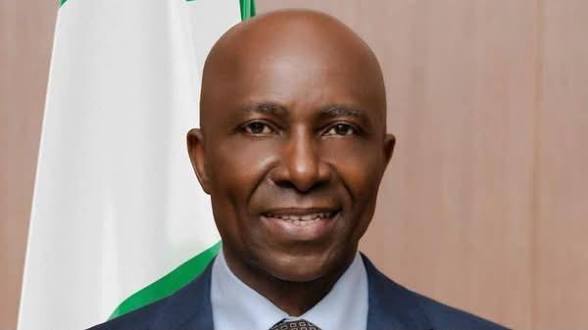
The Tax Ombud and Chief Executive of the office, Dr John Nwabueze, disclosed this on Friday in Abuja at the fourth-quarter 2026 breakfast meeting with members of the Finance Correspondents Association of Nigeria.
Nwabueze also revealed that the office had resolved about 82 per cent of the complaints it had received since its establishment.
According to a statement issued on Sunday by the Chief Press Secretary to the Tax Ombud, Chukwudi Achife, the proposed regional offices are expected to improve access to the office’s services, particularly for taxpayers outside the Federal Capital Territory.
He said the offices were expected to begin operations before the end of 2026, subject to approval by the President.
Nwabueze said the expansion was part of efforts to strengthen public confidence in the tax system and ensure taxpayers could easily seek redress when they encounter difficulties with revenue authorities.
He added that the office was also planning to establish dedicated Tax Ombud desks in all 36 state tax authorities to facilitate faster handling of complaints and improve communication between taxpayers and tax agencies.
According to him, the proposed desks would complement the regional offices by providing taxpayers with more direct channels for lodging and resolving complaints.
Nwabueze said the Tax Ombud was reviewing its internal processes to improve response times and make the handling of complaints more efficient.
He also attributed the office’s progress to its collaboration with state governments, federal agencies, the National Assembly and other stakeholders involved in tax administration.
“Meaningful cooperation with the National Assembly and other critical stakeholders continues to strengthen support for the Office’s activities and underscores its role as a neutral mediator in tax and revenue-related disputes,” he said.
The Tax Ombud further said it had expanded its public awareness and stakeholder engagement programmes to educate taxpayers on their rights and the mechanisms available for seeking redress.
Nwabueze said the office was working with government agencies and independent partner organisations while using traditional and digital communication platforms to reach more taxpayers.
He emphasised that the services provided by the Tax Ombud were free, urging individuals and businesses with complaints against tax authorities to make use of the available channels.
He explained that the office offered an alternative dispute resolution mechanism that could help taxpayers resolve tax-related disagreements without resorting immediately to lengthy court proceedings.
Nwabueze added that cases that could not be resolved at the initial stage could be escalated through the appropriate channels for further consideration.