


Today in History: The Independence of Botswana
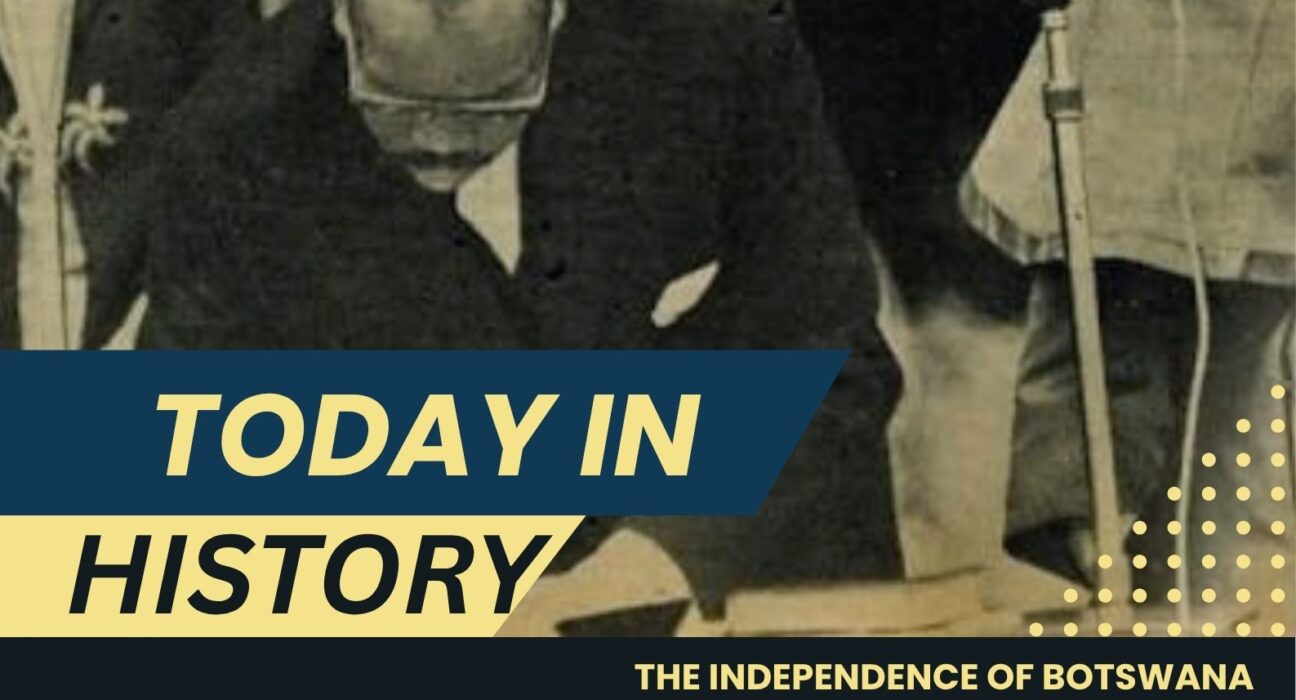
On September 30, 1966, the map of Africa changed forever. After 81 years as a British protectorate known as Bechuanaland, the territory officially transformed into the independent Republic of Botswana. This historic milestone marked the peaceful birth of a sovereign nation and began an inspiring journey of democratic governance and economic growth on the African continent.
Long before independence, the land faced immense regional pressures. During the late 19th century, local leaders sought British protection to safeguard their territories from encroaching Boer settlers and Cecil Rhodes’s British South Africa Company. While protection shielded them from external annexation, it also meant neglect. Great Britain invested very little in Bechuanaland’s infrastructure, education, or healthcare, leaving it as one of the poorest regions in southern Africa. By the mid-20th century, the winds of change were blowing across the continent, and the people of Bechuanaland were ready to govern their own destiny.
The drive toward self-determination was guided by Seretse Khama, a brilliant statesman and traditional leader of the Bangwato people. Khama had famously weathered international controversy years earlier when his marriage to a white British woman, Ruth Williams, sparked fierce opposition from both the British government and South Africa’s apartheid regime. Despite these external pressures, Khama returned from exile with the overwhelming support of his people to found the Botswana Democratic Party. His wisdom, pragmatism, and commitment to a non-racial democracy won the hearts of the nation, making him the natural choice to become Botswana’s first president.
Unlike many nations that fought bitter, protracted wars for liberation, Botswana achieved its independence through peaceful negotiation and careful institutional planning. Leaders gathered to draft a modern constitution that guaranteed human rights, established a multi-party democracy, and protected the rule of law.
When the Union Jack was lowered for the last time and the new blue, black, and white flag of Botswana was raised, the newly born republic faced daunting economic challenges, including widespread drought and poverty. However, steady leadership, the discovery of diamonds shortly after independence, and wise economic management turned Botswana into one of Africa’s great success stories. Today, the anniversary of that pivotal day in 1966 is celebrated nationwide as Independence Day, a proud reminder of how unity, vision, and resilience built a thriving nation from humble beginnings.