Venezuela Withdraws from International Criminal Court
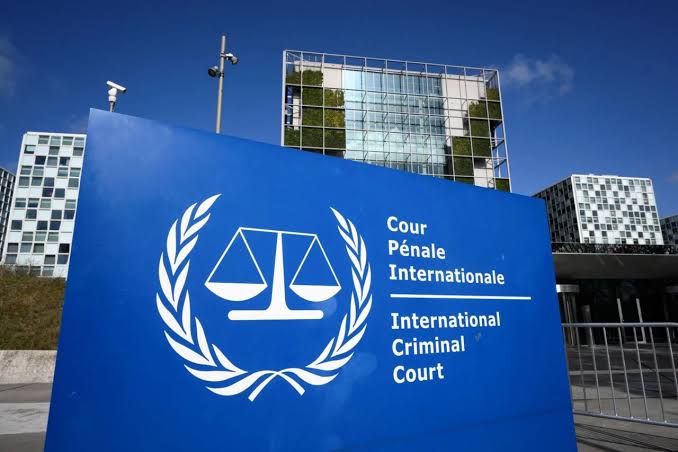
Venezuela has officially notified the United Nations of its decision to pull out of the International Criminal Court (ICC).
The decision marks a significant rupture between the South American nation and the tribunal, highlighting broader challenges facing international legal institutions today.
The Venezuelan government bases its decision on claims that the Hague-based tribunal functions as a political tool biased against nations in the Global South. Official statements contend that the court disproportionately targets African and Latin American states while failing to apply identical accountability standards globally.
This tension stems from years of friction regarding the ICC’s investigation into alleged crimes against humanity linked to the Venezuelan government’s handling of widespread anti-government protests.
Advocates for the court emphasize its role as an indispensable judicial body of last resort. Proponents argue that the tribunal provides a crucial mechanism to address severe human rights violations when domestic legal frameworks are either unable or unwilling to conduct genuine proceedings. Previous investigations, such as those concerning atrocities in Darfur, demonstrate the necessity of maintaining an independent court when national systems fail to deliver justice.
The timing of Caracas’s exit coincides with significant political and structural turmoil surrounding the institution. Inside the organization, ICC member states recently voted to remove Chief Prosecutor Karim Khan over allegations of misconduct, charges which Khan has denied.
At the same time, external political pressure has mounted. The Trump administration welcomed Venezuela’s withdrawal, reiterating long-held U.S. objections to ICC jurisdiction over non-member state personnel and criticizing past arrest warrants issued for Israeli officials.
Venezuela’s departure adds to the compound challenges confronting the court. As political resistance grows among key international actors and former state parties, critical questions continue to surround the tribunal’s overall capacity to enforce global justice standards effectively.