

Trump Drops Proposed Strait of Hormuz Fee, Shifts Focus to Gulf Investment Deals
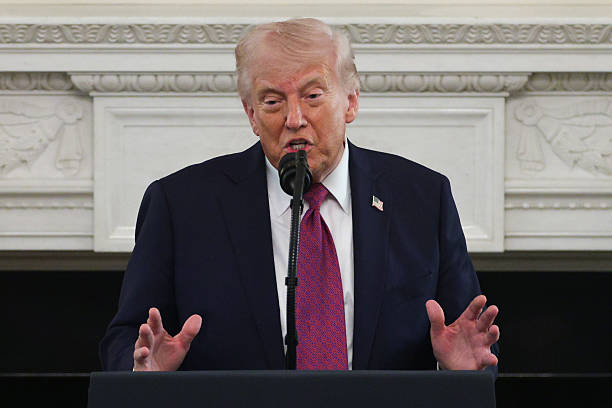
President Donald Trump has abandoned his proposal to charge a 20 percent fee on ships transiting the Strait of Hormuz, opting instead to pursue trade and investment deals with Gulf states.
The reversal came just a day after he first floated the fee, and hours before the charge was due to take effect, following what he described as “highly productive conversations with Middle East leadership.”
“Based on highly productive conversations with Middle East leadership, I have decided to replace the 20% United States Reimbursement Fee with Trade and Investment Deals that the various Gulf States will be making into the United States,” Trump wrote on Truth Social. He did not name the countries involved, disclose specific investment figures, or clarify whether formal agreements had been finalised, saying only that the investments would be “MASSIVE” and beneficial to the Gulf states’ futures.
The about-face comes despite renewed and intensified U.S. military strikes on Iranian targets, part of a third consecutive night of operations, and continued attacks on commercial vessels in the strategic waterway. Trump said the Strait of Hormuz remains open to all shipping except Iranian vessels, with a full blockade set to apply only to ships coming from or carrying cargo connected to Iranian ports.
The Strait, through which roughly a fifth of the world’s traded oil and gas passes in peacetime, has seen a sharp escalation in hostilities that analysts say has effectively unravelled an earlier ceasefire arrangement meant to keep the waterway open.
Maritime security trackers have maintained a severe threat assessment for the strait, citing repeated Iranian attacks since late June, continued mine risks and interference with vessel navigation systems.
Multiple tankers were attacked in the days preceding Trump’s announcement, with at least one incident resulting in a fatality and several injuries. The reversal also removes, for now, a fee that had drawn criticism from the global shipping industry and conflicted with international maritime bodies’ position that transit through the strait should remain unrestricted, even as the broader military standoff between Washington and Tehran continues to escalate.
Photo Credit: Getty Images