
President Tinubu Orders End to Raw Cocoa Exports
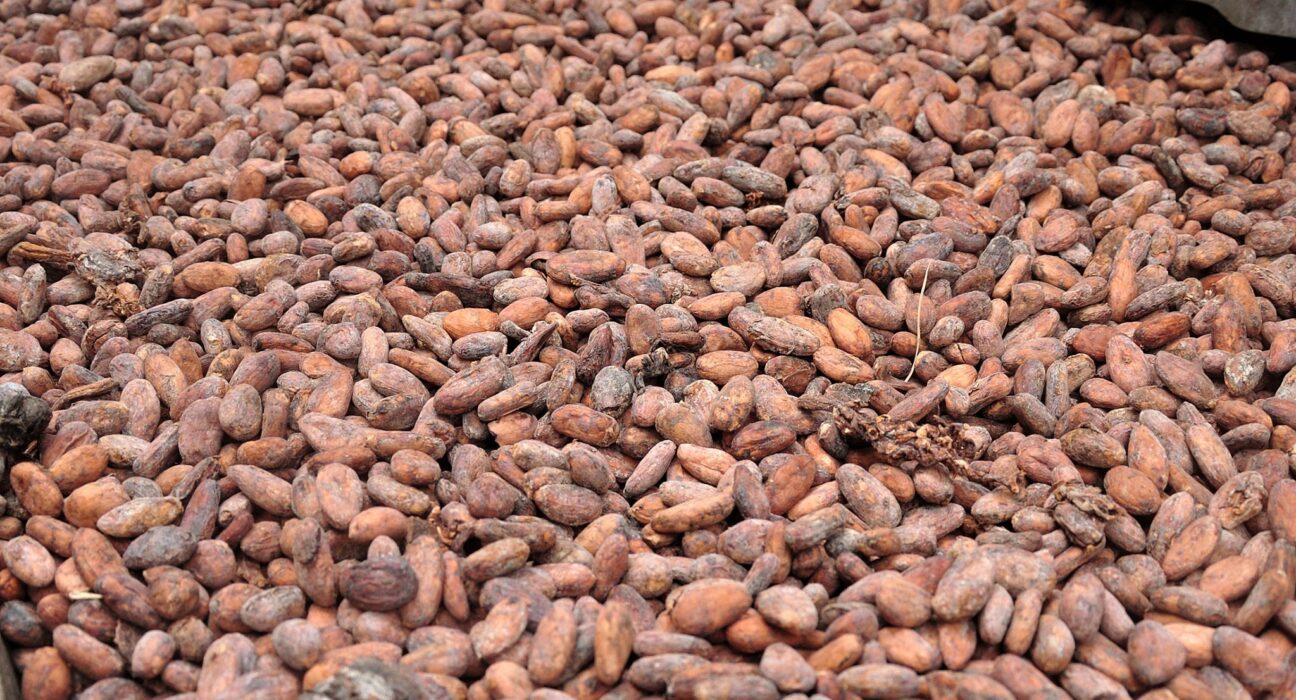
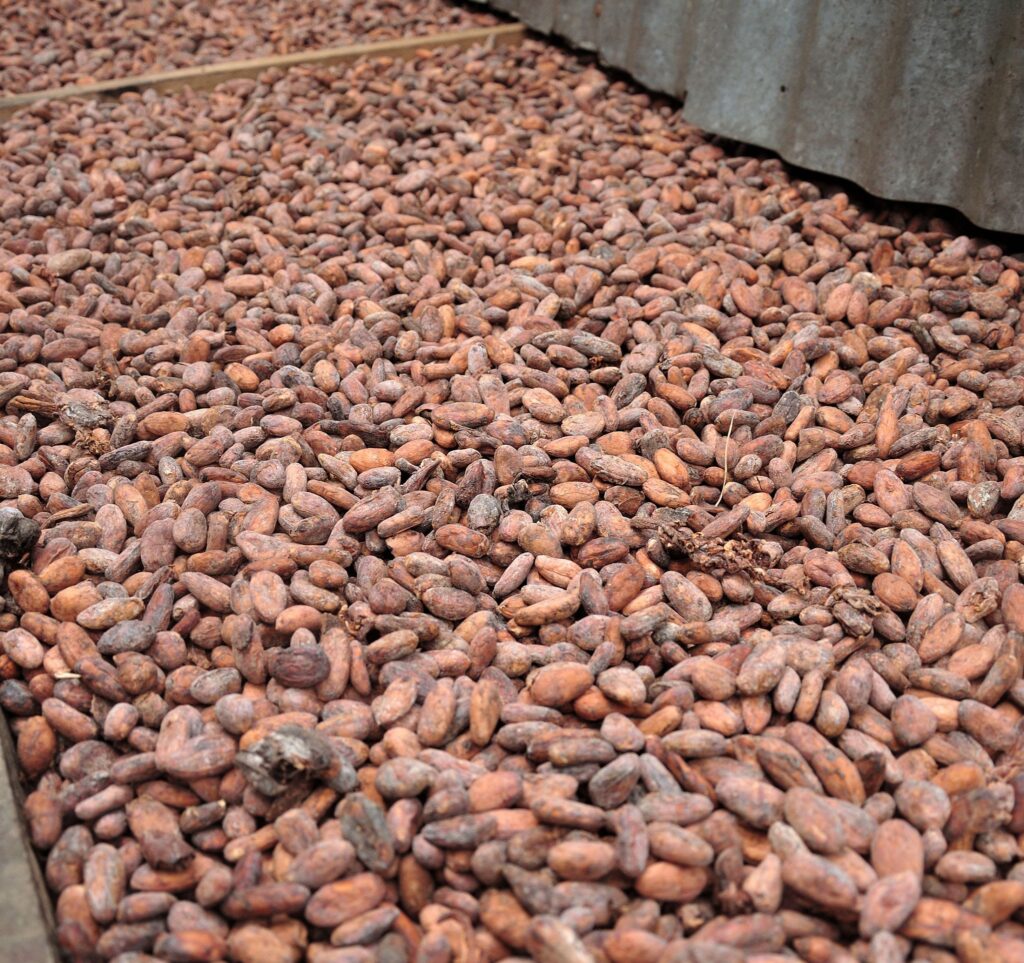
President Bola Tinubu has announced that Nigeria will halt the export of raw cocoa beans, unveiling an ambitious national roadmap focused on local processing, domestic industrialization, and value addition.
Speaking through the Minister of Agriculture and Food Security, Senator Abubakar Kyari, at the Cocoa Value Addition Summit in Abuja, the President emphasized that the era of exporting raw agricultural commodities only to import expensive finished products must end.
He pointed out that while Africa produces over seventy percent of the global cocoa crop, it captures only a tiny fraction of the multi-billion-dollar global chocolate industry because of a lack of local processing capabilities.
To back this policy shift, the Federal Government highlighted that concrete infrastructure projects are already underway across the country, including the construction of a seventy-thousand-ton processing facility in Sagamu and a national grinding capacity that has surpassed one hundred and twenty thousand tons.
The Bank of Industry is actively supporting this agro-industrial ecosystem with long-term capital deployment, including a newly secured sixty-million-euro credit facility from the European Investment Bank to finance factories, nurseries, and local packaging lines.
This structural shift aims to protect the livelihoods of over three hundred thousand farming families who cultivate cocoa across Nigeria’s vast agricultural landscape.
Furthermore, the government is seeking stronger international cooperation to secure better pricing power for local farmers. Nigeria plans to collaborate closely with neighboring Ghana, Côte d’Ivoire, and Cameroon to form a unified African cocoa alliance that would control approximately seventy-five percent of global output. This proposed strategic partnership, supported by the adoption of the Cocoa Value Addition Accord and the Abuja Declaration, is designed to give African nations a stronger collective bargaining voice on the global stage while driving domestic processing and economic sovereignty.