

FG, Health Experts Demand Urgent Action on Sickle Cell Crisis as World Marks Annual Awareness Day
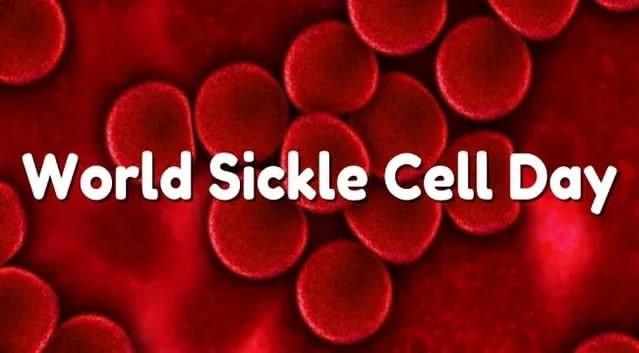
Health stakeholders, advocates, and medical experts have used this year’s World Sickle Cell Day, observed on June 19, to renew urgent calls for improved healthcare delivery, increased research funding, and stronger government commitment to addressing the growing burden of sickle cell disease in Nigeria and across Africa.
The 2026 commemoration was held under the theme “Closing the Survival Gap: Equity in Sickle Cell Care,” with events, press briefings, and goodwill messages drawing attention to the persistent inequalities that continue to deny millions of patients access to adequate treatment. Nigeria, which bears one of the heaviest burdens of the disease globally, was at the centre of the advocacy, with approximately 150,000 children born with sickle cell disorder in the country every year.
The Federal Government reaffirmed its commitment to ensuring equitable access to quality sickle cell care for all Nigerians regardless of location, income, or social status. The Coordinating Minister of Health and Social Welfare, Professor Muhammad Ali Pate, who was represented at a World Sickle Cell Day press briefing in Abuja, described the burden of the disease as a major public health challenge demanding urgent and sustained action from government, development partners, healthcare providers, and communities alike.
The Founder of the Sickle Cell Awareness Initiative Ireland-Nigeria, Esther Onolememen, used the occasion to call for deeper collaboration among stakeholders to improve health outcomes for persons living with sickle cell disorder. She praised those affected by the condition as warriors whose daily resilience and determination continue to inspire communities, caregivers, healthcare providers, and policymakers worldwide. Onolememen also acknowledged the work of advocates, researchers, and patient leaders operating under the Umoja Africa Sickle Cell Consortium, noting that their collective efforts were helping to advance scientific research, strengthen advocacy, and influence policy reforms across the continent.
However, medical professionals raised serious concerns about the state of sickle cell management in Nigeria. A Consultant Clinical Haematologist, Dr Folasade Adelekan-Popoola, decried the lack of government-backed initiatives to drive research and make modern treatments more accessible. She noted that sickle cell disease is not covered by health insurance, leaving most patients to bear the full cost of their care out of pocket. She further warned that Nigeria currently has fewer than 100 haematologists serving its entire population, a situation exacerbated by the ongoing wave of medical emigration. The cost of a bone marrow transplant, the closest option to a cure, currently exceeds N100 million within the country.
Beyond the medical and financial challenges, advocates stressed that the burden of sickle cell disease extends into the emotional and psychological dimensions of patients’ lives and those of their families. Stakeholders called on both the Nigerian government and international partners to translate years of rhetoric into concrete action, including increased research investment, expanded health insurance coverage, and broader availability of early diagnosis and newborn screening across all states.