Accept Election Outcomes, Strengthen Democracy, Fashola Tells Nigerians
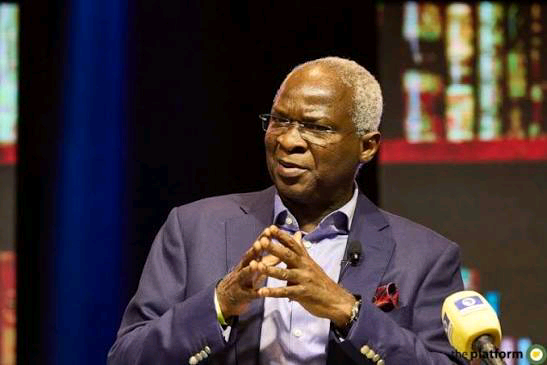
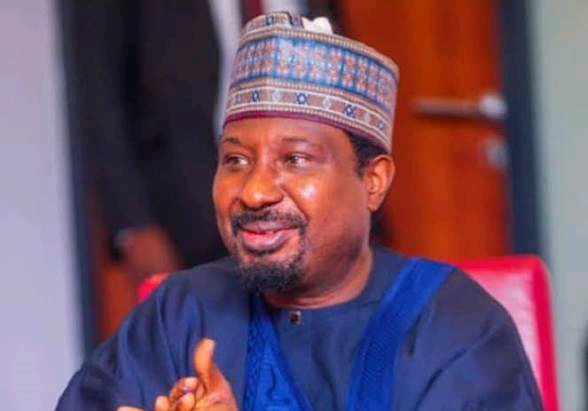
Former Lagos State Governor and former Minister of Works, Housing and Power, Babatunde Fashola, has urged Nigerians to recognise that elections are inherently imperfect and focus instead on strengthening democratic institutions and processes for national development.
Fashola made the call on Friday while speaking at The Platform, a public policy forum held in Lagos as part of activities marking Democracy Day.
The former minister said the scale and complexity of conducting nationwide elections, particularly presidential polls, make it unrealistic to expect flawless outcomes, noting that electoral challenges are common even in advanced democracies.
According to him, elections involve extensive logistical operations across thousands of polling units nationwide, often under varying conditions, making absolute perfection difficult for any electoral management body to achieve.
“Elections are an imperfect event because they require a large logistical operation across a federation,” Fashola said.
He explained that polling units across the country are expected to simultaneously implement the same procedures despite operating in different environments, adding that this reality presents significant administrative challenges.
Fashola questioned the tendency to place responsibility for every electoral shortcoming solely on the leadership of the Independent National Electoral Commission, noting that no single official can directly oversee activities in every polling unit nationwide.
“The reality of a presidential election is that all polling units across the nation have to be doing the same thing at the same time. The question then is how we assign blame when things go wrong, especially when the Chairman of INEC cannot be everywhere at the same time,” he stated.
The former governor argued that electoral imperfections are not unique to Nigeria, stressing that established democracies acknowledge such challenges while continuously improving their electoral systems and institutions.
He noted that democratic societies mature by strengthening processes over time rather than allowing disputes over elections to undermine public confidence in governance.
“In other jurisdictions, they accept these imperfections and aspire to improve, but they also accept the results,” Fashola said.
Expressing concern over the growing reluctance among some political actors to accept election outcomes, Fashola warned that persistent rejection of results could weaken democratic development and political stability.
According to him, unsuccessful candidates and political parties should embrace their constitutional role as the opposition and contribute constructively to governance rather than focusing solely on contesting electoral outcomes.
“It seems to me that an unwillingness to accept the outcome of an election perhaps blinds the unsuccessful participants from seeking and taking up the role of opposition for the development of society,” he said.
Fashola further emphasised that democracy extends beyond the conduct of elections and should encompass broader issues of governance, accountability, citizen participation and institutional development.
He urged Nigerians to engage in deeper conversations about the type of democratic system they want to build, insisting that elections represent only one aspect of democratic governance.
“If we are to discuss democracy beyond elections, the question I ask is: What kind of democracy do we want?” he asked.
His remarks formed part of broader discussions at The Platform on the state of Nigeria’s democracy, governance, accountability and the responsibilities of both leaders and citizens in sustaining democratic institutions.
Fashola maintained that while elections remain a cornerstone of democracy, the true test of democratic maturity lies in the ability of institutions, political actors and citizens to uphold democratic values, respect the rule of law and contribute to national development long after elections have been concluded.