
Rubio Strikes Cautious Optimism on Iran Nuclear Talks, But Ceasefire Fragility Clouds Outlook
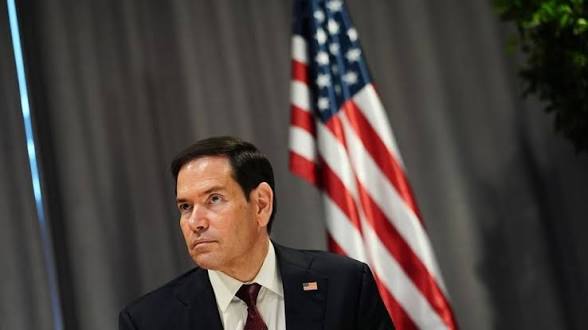
United States Secretary of State Marco Rubio has offered a cautiously optimistic assessment of ongoing nuclear negotiations with Iran, telling Congress that Tehran has shown unprecedented willingness to discuss aspects of its nuclear programme it had previously refused to acknowledge even as the broader diplomatic landscape remains deeply unstable.
Appearing before the Senate Foreign Relations Committee on Tuesday in his first public testimony since the US-Iran war began in February, Rubio told lawmakers that Iran had agreed to engage on nuclear points that would have been off the table entirely just months ago.
He suggested that a breakthrough could materialise as soon as the current week, though he was careful not to overstate what such progress might ultimately deliver.
“They have agreed to negotiate aspects of their nuclear program that just a month ago, just a year ago, they were refusing to even mention,” Rubio told the committee. He acknowledged, however, that the development was no guarantee of an agreement acceptable to the Senate or to the American people, and that the process had been complicated by the internal instability of Iran’s leadership.
The testimony represented a notable tonal shift from the Trump administration’s stance just a day earlier, when President Donald Trump publicly indicated he was indifferent to whether nuclear talks with Iran continued at all. Rubio’s remarks before Congress suggested that, behind the scenes, diplomatic channels remain active and that Washington is willing to test how far Tehran is prepared to go.
The optimism, however, is being tested by fresh complications on the ground. On the same day Rubio was testifying, two semiofficial Iranian news agencies reported that Iran had severed communication with international mediators after Israel threatened to bomb Beirut in connection with its ongoing military campaign against the Lebanese Hezbollah militia.
The development has thrown an already fragile ceasefire into renewed uncertainty, with the State Department simultaneously hosting a fresh round of political talks between Israel and Lebanon as fighting between Israeli forces and Hezbollah intensified.
The war itself, which began on February 28, has drawn significant scrutiny from Capitol Hill. While most Republicans backed the initial strikes by the United States and Israel, a growing faction within the party has joined Democrats in raising questions about the financial cost of the conflict and its broader economic consequences concerns sharpening as the country approaches midterm elections in the autumn.
Rubio faced questions from both sides of the aisle on the war’s endgame, the status of the Strait of Hormuz, and Washington’s posture toward Iran’s regional proxies.
The Secretary of State did not offer specifics on which nuclear issues Iran had newly agreed to discuss, citing the sensitivity of ongoing operations. What is clear, however, is that for an administration that launched a war against Iran barely three months ago, the possibility of a negotiated settlement on the nuclear file however distant is now being placed on the public record for the first time.