
Nigeria, UAE Hit $5 Billion in Non-Oil Trade
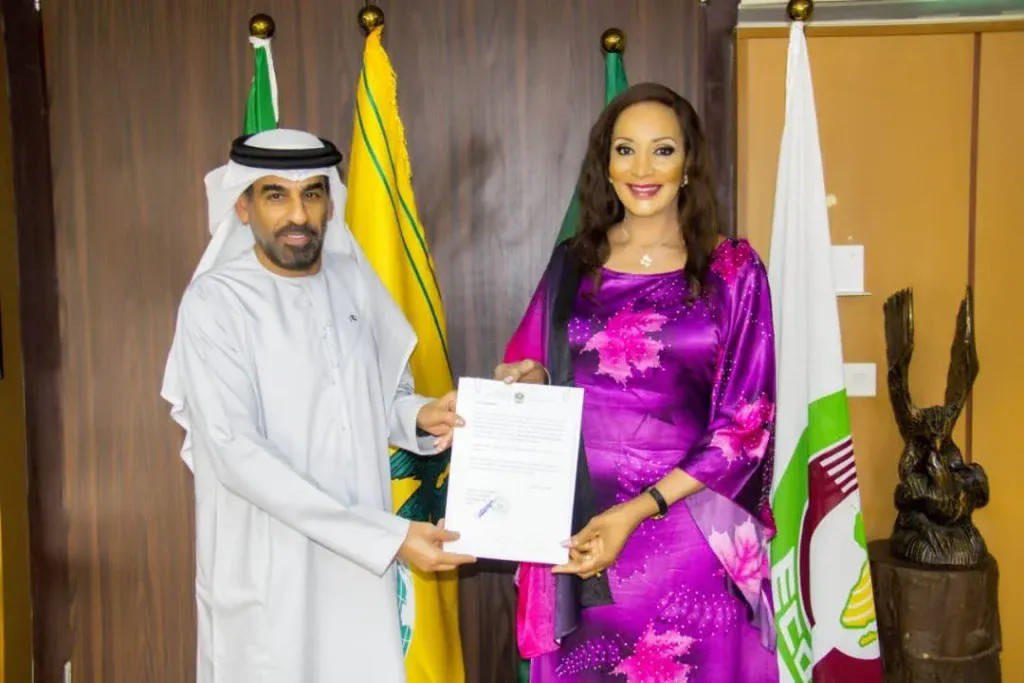
Trade between Nigeria and the United Arab Emirates (UAE) has reached a new high, with non-oil goods now worth $5 billion.
This means both countries are buying and selling products like food, clothes, machines, and other items without counting crude oil. The figure shows a strong jump in business ties outside the usual oil sector.
For many years, Nigeria has depended heavily on oil for money from other countries. But this new $5 billion mark with the UAE shows a slow but steady shift. More Nigerian businesses are now finding customers in the UAE for things like processed foods, leather, and cement. At the same time, UAE sends electronics, plastics, and metals to Nigeria.
Experts say this growth is good for Nigeria because it helps reduce the country’s reliance on oil. When oil prices drop, a strong non-oil trade can keep the economy stable. The UAE, known as a trading hub in the Middle East, offers Nigerian goods a gateway to other markets in Asia and Europe.
The Nigerian government has been encouraging local producers to meet international standards. Better quality goods and easier shipping rules have helped push the trade volume to $5 billion. Both nations have also signed agreements to make business travel and payments smoother for traders.
The $5 billion non-oil trade figure is a positive sign for Nigeria’s economic future. If this trend continues, Nigeria could earn more money from exports without drilling more oil. For ordinary Nigerians, this could mean more jobs and more locally made goods reaching the world.