

Arisekola Urges National Assembly to Criminalise Fake News
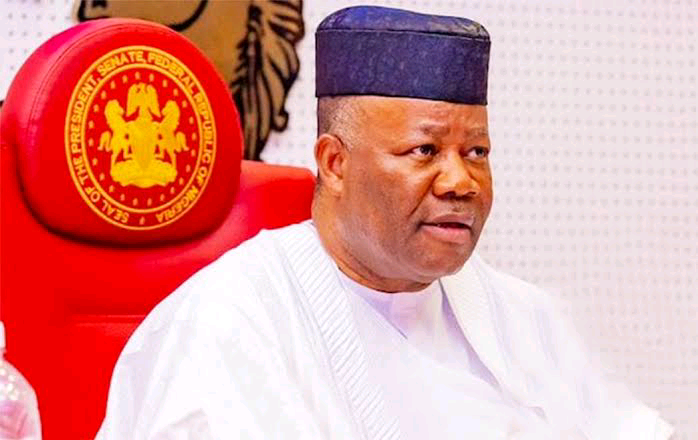
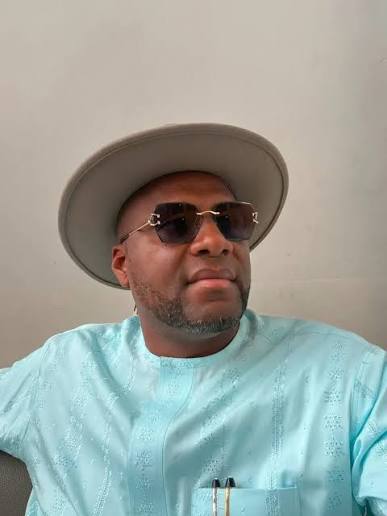
The Chairman of the Association of Online Media Practitioners, Mogaji Wole Arisekola, has called on the President of the Senate, Godswill Akpabio, and the leadership of the National Assembly to enact stricter laws criminalising the deliberate spread of fake news in Nigeria.
Arisekola made the call in an open letter addressed to the Senate President, warning that the increasing spread of false information across digital platforms poses a serious threat to national security, public trust, and social stability.
According to him, coordinated disinformation campaigns aimed at destabilising the country should, in extreme and proven cases, be treated as grave offences that could amount to treason.
The association expressed concern over what it described as the growing weaponisation of fake news within Nigeria’s political and digital space, noting that fabricated stories, manipulated narratives, and misleading publications have continued to fuel tension and weaken national cohesion.
It therefore urged both the Senate and the House of Representatives to review existing cybercrime and media-related laws to address the realities of the digital age, where information can spread rapidly to millions of people within seconds.
Arisekola also lamented reports linking Nigeria’s media space with fake news, saying such perceptions have damaged the country’s international reputation.
He alleged that politically motivated individuals hiding behind social media anonymity often circulate falsehoods capable of provoking ethnic, religious, and political unrest.
The statement further claimed that many of those responsible for spreading misinformation are not trained journalists and are not bound by professional ethical standards, describing them as politically sponsored online operatives engaged in propaganda and character assassination campaigns.
The association described such actors as “internet-based agents of disorder” who have turned digital platforms into tools of confusion and instability.
While acknowledging the importance of freedom of expression, the group maintained that freedom of speech should not be used as a cover for deliberate attempts to threaten national peace and democratic institutions.
It called for a legal framework that would clearly distinguish between legitimate expression and intentional disinformation campaigns designed to incite violence or undermine state authority.
The association added that several countries are already tightening regulations around misinformation and cyber manipulation, stressing that Nigeria must also strengthen its information security architecture to protect democratic processes and social harmony.
Arisekola said the survival of national unity depends largely on the country’s ability to curb the spread of false narratives in an increasingly digital and politically charged environment.