

World Bank Restricts Instagram Comments Amid Backlash Over Nigeria’s $1.25bn Loan
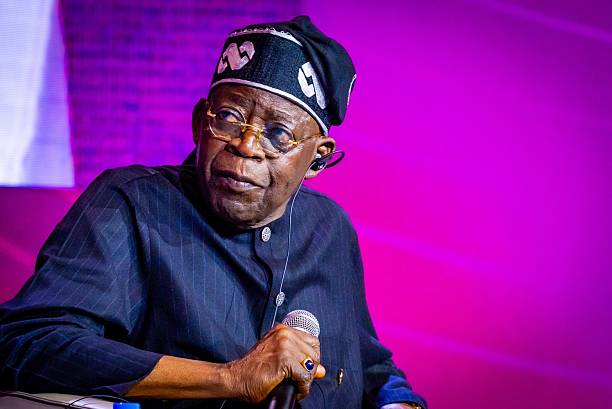
The World Bank has restricted comments on its Instagram page following a fierce wave of public backlash from Nigerians protesting plans by the administration of President Bola Tinubu to secure a fresh $1.25 billion loan from the multilateral lender. The volume and intensity of the online reactions appeared to have prompted the institution to limit engagement on some of its posts, drawing further outrage and attention across social media platforms.
The proposed facility, titled “Nigeria Actions for Investment and Jobs Acceleration,” is designed to support economic reforms, job creation, electricity access, digital infrastructure, and agricultural competitiveness. It is expected to be presented for formal approval on June 26, 2026 a date that has itself become a flashpoint, coming less than seven months before the January 16, 2027 presidential election based on the revised timetable of the Independent National Electoral Commission. If approved, the loan would rank as the second-largest single World Bank facility secured under the Tinubu administration, behind only the $1.5 billion Reforms for Economic Stabilisation to Enable Transformation facility approved in June 2024. At the current official exchange rate of N1,361.4 to the dollar, the proposed $1.25 billion translates to approximately N1.70 trillion.
The backlash was swift and widespread, with Nigerians storming the World Bank’s social media pages with messages urging the institution to halt further lending to Nigeria. Comments such as “STOP GIVING NIGERIA FRESH LOANS!” and “PLEASE STOP GIVING TINUBU LOANS” trended across Instagram and X, formerly known as Twitter. Many citizens expressed concern over the country’s soaring debt burden and deteriorating economic conditions, with some alleging that previous loans had failed to reach ordinary Nigerians. A petition titled “Compel The World Bank to Stop Giving Nigeria Loans” also gained traction online during the period.
The broader debt picture has only deepened public anxiety. According to the Debt Management Office, Nigeria’s total public debt for federal and state governments stood at N159.27 trillion at the end of the fourth quarter of 2025. President Tinubu himself acknowledged that the country would spend $11.6 billion on debt servicing in 2026 alone a sharp increase from the $5.21 billion spent on external debt servicing in 2025 with nearly half of Nigeria’s projected revenue for the year expected to go towards debt payments. Findings also show that the World Bank approved approximately $9.35 billion in loans and credits for Nigeria between June 2023 and May 2026, spanning sectors including power, education, healthcare, agriculture, and social protection. Should the latest $1.25 billion facility be approved, total World Bank approvals under Tinubu would climb to around $10.6 billion.
Economists have maintained that borrowing is not inherently problematic, but have stressed that the effectiveness of such facilities depends on transparent and accountable utilisation, sustained revenue growth, and a credible framework for managing debt sustainably. For many Nigerians watching from the streets, however, the arithmetic of rising loans against the backdrop of widespread poverty and inflation has proven difficult to reconcile and the World Bank’s decision to restrict comments has done little to quiet the storm.