Nigeria’s Debt Servicing To Hit $11.6bn In 2026, Says Tinubu
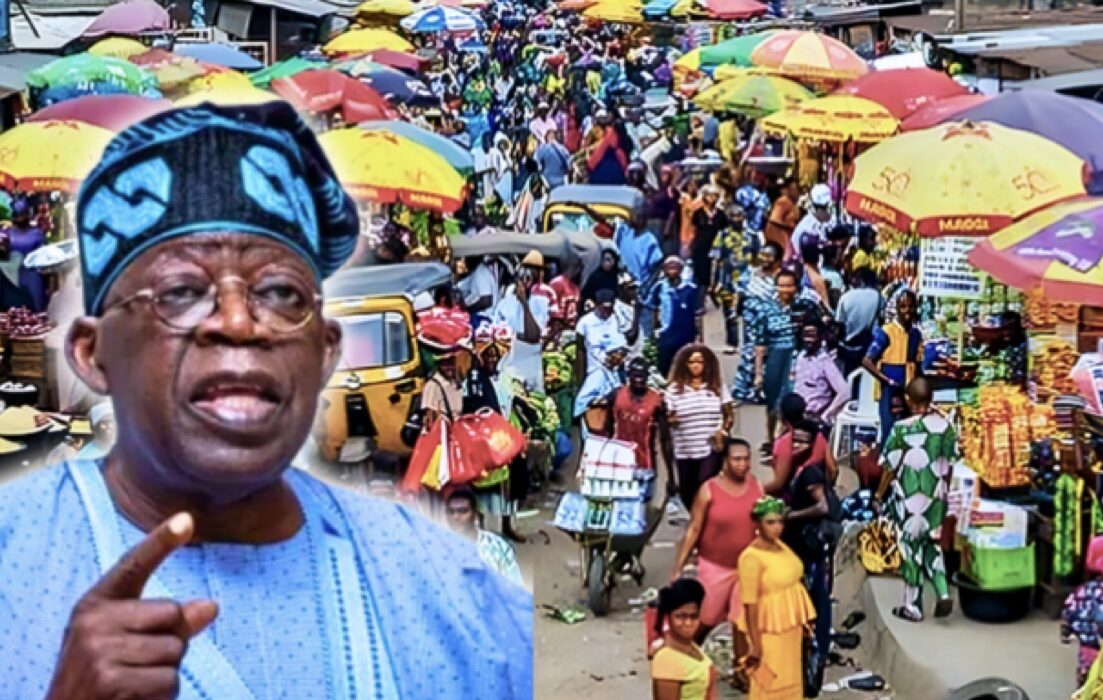
President Bola Ahmed Tinubu has revealed that Nigeria will spend about $11.6 billion on debt servicing in 2026, raising fresh concerns over the country’s rising financial obligations and shrinking fiscal space.
Tinubu made the disclosure on Tuesday while speaking at the Africa Forward Summit held in Nairobi, Kenya, where he called for urgent reforms in the global financial system to ease the burden on African economies.
According to the President, the projected debt servicing cost represents nearly half of Nigeria’s expected revenue for 2026, warning that huge debt repayments continue to limit investments in critical sectors of the economy.
In 2026, Nigeria will spend about US$11.6 billion on debt service — nearly half of projected revenue,” Tinubu said during his address at the summit. The President lamented that excessive debt servicing costs were depriving developing countries of resources needed for industrialisation, infrastructure development and economic growth.
Every single dollar that leaves our treasury to pay punitive interest rates is a dollar that did not go into our steel sector, textile mills, agro-processing plants or digital industries,” he stated.
Tinubu argued that African nations face unfair borrowing conditions in the international financial market despite ongoing economic reforms aimed at stabilising their economies.
He criticised what he described as an imbalance in the global financial architecture, saying African countries are often subjected to higher interest rates than developed nations, thereby weakening their competitiveness.
The President also highlighted some reforms introduced by his administration to reposition Nigeria’s economy, including the removal of fuel subsidy, unification of the foreign exchange market, tax reforms and efforts to recapitalise the banking sector.
Tinubu maintained that the reforms were beginning to yield positive results, noting that Nigeria’s external reserves had improved while the country’s debt-to-GDP ratio was projected to decline in 2026.
Economic experts, however, have continued to express concern over Nigeria’s growing debt profile and the impact of rising debt servicing costs on government spending in key sectors such as education, healthcare, power and infrastructure.
Nigeria’s public debt has increased significantly in recent years amid rising borrowing to finance budget deficits, infrastructure projects and economic reforms.
Analysts warn that continued pressure from debt repayments could further strain public finances if revenue generation does not improve substantially.