
World Leaders Pressure Iran as Ceasefire Nears Collapse
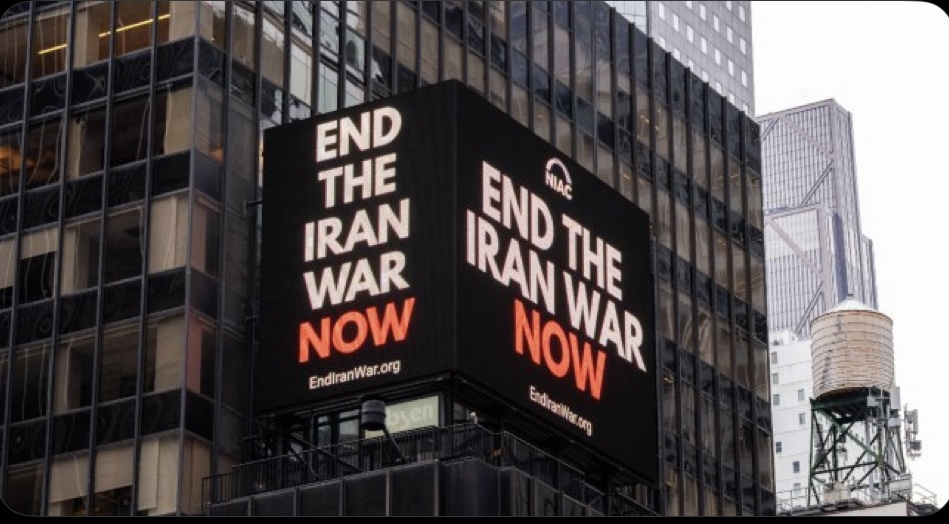
Global leaders have intensified diplomatic pressure on Iran as a fragile ceasefire with the United States edges closer to collapse following renewed hostilities in the Gulf region.
Tensions have escalated in the Strait of Hormuz, a critical global oil transit route, where recent military confrontations and attacks on vessels have raised fears of a broader regional conflict.
The latest incidents have disrupted shipping activities and heightened concerns over global energy supply. According to reports, Iranian forces launched missile and drone attacks targeting ships in the Gulf, prompting retaliatory action from U.S. naval forces.
Both sides have accused each other of violating the terms of the ceasefire agreement reached earlier, deepening mistrust and complicating efforts to restore calm.
In response to the rising tensions, the United States has increased its military presence in the region, deploying additional naval assets to secure maritime routes and deter further attacks.
The move has drawn strong reactions from Tehran, which warned against foreign military escalation in its vicinity. World leaders across Europe, Asia, and the Middle East have called for immediate de-escalation, urging Iran to return to negotiations and uphold the ceasefire.
Several governments stressed the importance of maintaining stability in the Strait of Hormuz, warning that prolonged conflict could have severe economic consequences globally, particularly on oil prices and trade. Diplomatic efforts to salvage the truce are ongoing, with mediators seeking to bring both sides back to the negotiating table.
However, talks remain stalled over key issues, including regional security concerns and Iran’s strategic interests in the Gulf. The worsening situation has also been marked by increasingly sharp rhetoric between Tehran and Washington, further straining already fragile relations.
Analysts warn that without swift diplomatic intervention, the ceasefire could collapse entirely, potentially triggering a wider conflict with far-reaching implications.