Yes, Uba Sani Can Take a Bullet for Tinubu, as He Said
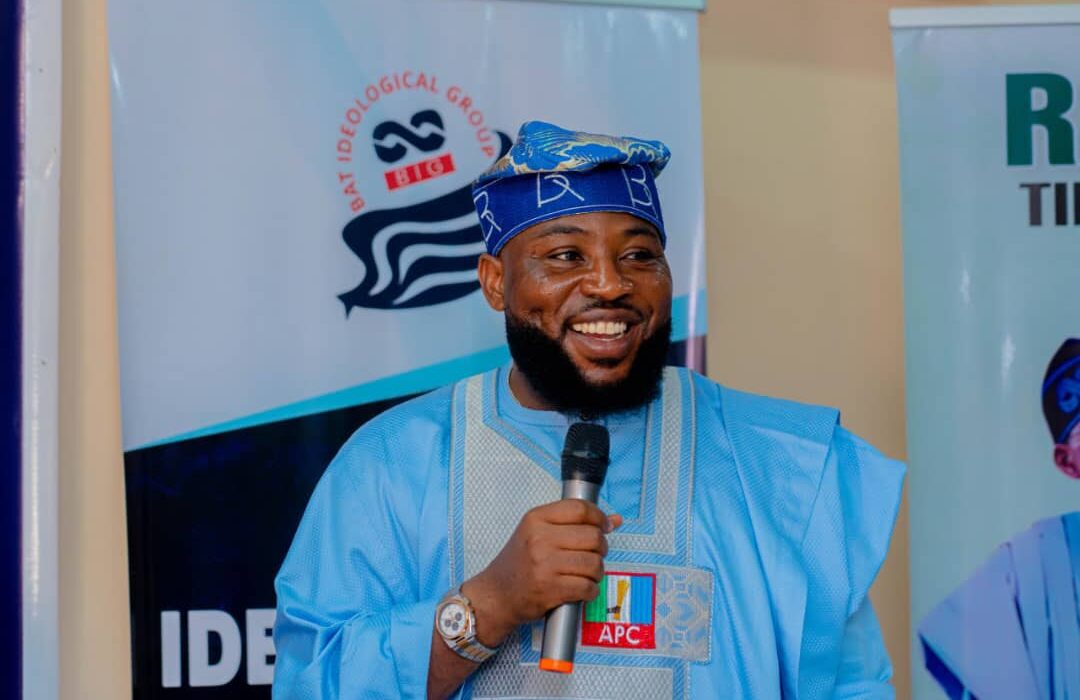
By Bamidele Atoyebi
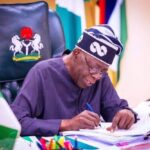
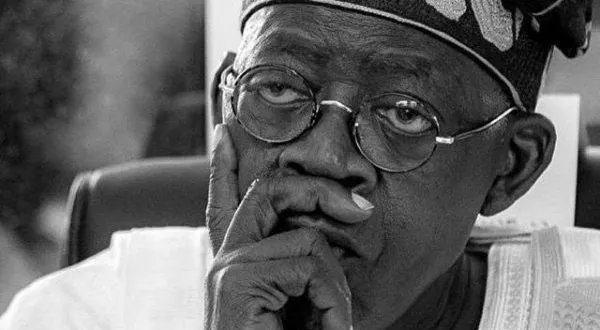
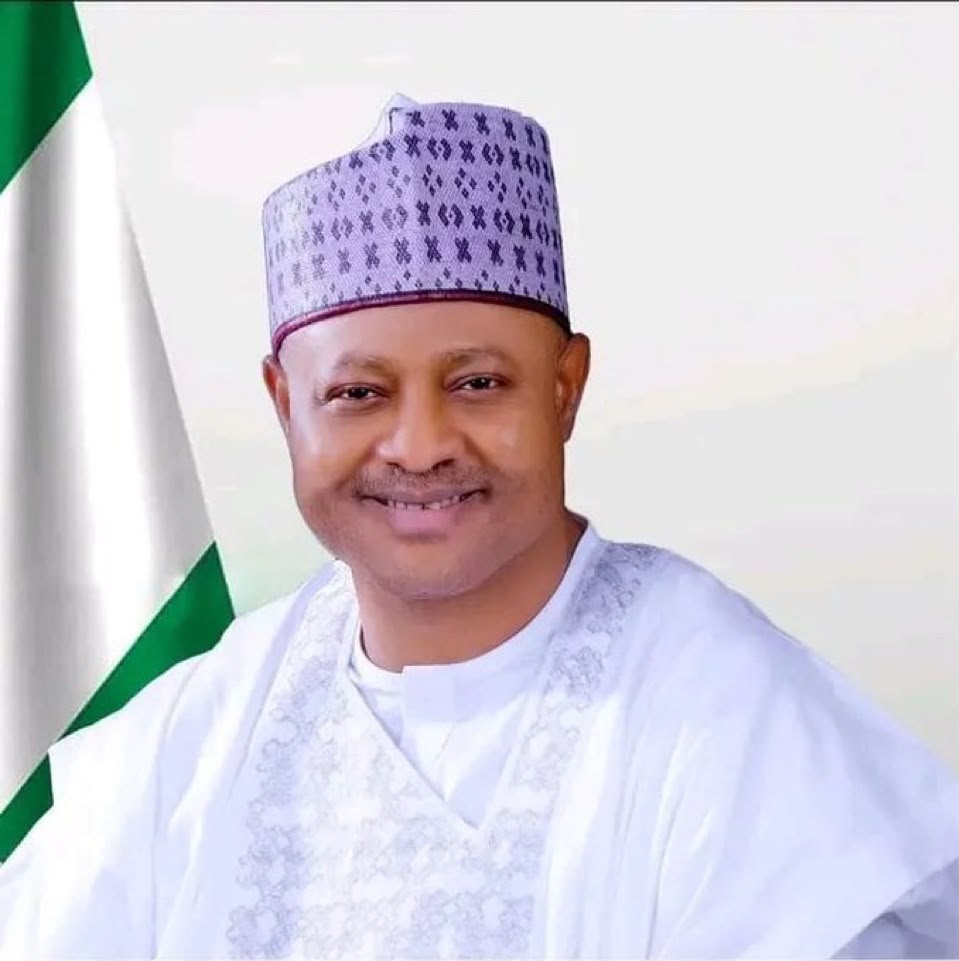
There are political statements that are made to excite a crowd, and there are statements that invite us to examine the convictions, relationships and records behind them. When Governor Uba Sani of Kaduna State declared that he could take a bullet for President Bola Ahmed Tinubu, my reaction was not one of surprise. Having followed his political trajectory, public statements and approach to governance, I believe there is basis for taking his declaration seriously.
In an interview with Trust TV’s Daily Politics, reported by Trust Radio on October 28, 2026, Sani reaffirmed his support for Tinubu’s re-election bid, tracing their relationship to 1994, when both were involved in the struggle for democratic governance. He also maintained that the President’s interventions in Kaduna were benefits to the people, not personal favours to him.
But beyond loyalty, a more important question deserves attention: does Uba Sani understand the vision he says he is defending? For me, the answer is a resounding yes.
As someone who identifies with the Bola Ahmed Tinubu Ideological Group (BAT-IG), I have consistently argued that our political conversation must extend beyond 2027. We must begin to consider who can sustain the President’s reforms and development agenda in 2031. Succession should not be reduced to regional calculations or political popularity. It should be about competence, continuity and the willingness to build on what works rather than abandon it for short-term political gains.
On this score, Uba Sani deserves serious consideration.
One reason is his administration’s approach to education in Kaduna State, particularly the challenge of out-of-school children. Poverty, insecurity and the struggle to meet basic needs have kept many children away from classrooms across Northern Nigeria. Kaduna’s interventions, including free basic education and school feeding, recognise that children cannot learn effectively when their families struggle to survive.
According to Channels Television’s July 24, 2026 report, Kaduna identified 187,719 out-of-school children in its 2025/2026 census, down from more than 500,000 in previous years, according to the state government. More than 91 per cent of affected households reportedly identified poverty as the leading reason for non-enrolment.
These figures suggest progress, but they also reveal the scale of the work ahead. Nearly 188,000 children remain outside the classroom. The real test is whether the state can sustain enrolment, improve learning outcomes and ensure that more children complete their education.
What interests me is the emphasis on identifying the problem and addressing its underlying causes. This is the kind of practical thinking that turns political promises into development policies. It is also the kind of approach other states should study and adapt where appropriate.
My conviction has grown stronger from Governor Sani’s consistent efforts to connect developments in Kaduna to the Tinubu administration’s interventions. At the October 24, 2026 APC campaign flag-off in Kaduna, he highlighted federal investments in infrastructure, security and development, including the Kaduna-Birnin Gwari road reconstruction.
Premium Times reported that Sani said the Federal Government had released ₦178 billion for the 123-kilometre project. He also urged voters to assess Tinubu on his record rather than regional identity.
I recently travelled through the Kaduna corridor myself. Seeing the road gave me a better appreciation of the infrastructure challenge and the importance of completing the project. Some sections still required attention, but the experience reinforced my belief that public investments should be judged by their actual impact on people’s lives, not merely by announcements at political rallies.
A governor who recognises federal interventions, communicates their significance and pushes for their completion does more than repeat party slogans. However, such claims must continue to be tested against project completion, maintenance and tangible benefits to residents.
This is why I believe the conversation about 2031 must begin now. Nigeria cannot build sustainably if every incoming administration abandons the policies of its predecessor simply to establish a new political identity. Economic reforms, infrastructure and human-capital investments require consistency to deliver lasting benefits.
That does not mean every Tinubu policy should be preserved unquestioningly. A successor must have the courage to correct what fails and improve what works. Ideological continuity should mean commitment to sound principles and results, not blind loyalty to an individual. That is the difference between an ideological ally and a political echo.
Uba Sani’s relationship with Tinubu, which he traces to their shared pro-democracy struggle, provides context for his support. His public defence of the President and his emphasis on policy continuity also suggest a willingness to associate himself with the administration’s political fortunes. Yet his strongest argument for a larger national role must ultimately rest on measurable achievements in Kaduna, particularly in education, security and public spending.
The question of succession must also be approached carefully. Although some political actors expect the presidency to return to the North in 2031 under informal regional rotation arrangements, that outcome is not guaranteed. Party decisions, political negotiations, constitutional processes and the choices of Nigerians will shape the contest. Qualified candidates from across the country must remain part of the conversation.
For those of us who want Tinubu’s reform agenda to endure, the priority should be identifying leaders capable of sustaining progress without deepening national divisions. Uba Sani is one of the figures I would watch closely, but he must continue to earn that consideration through results, not merely his closeness to the President.
I believe he is intelligent, politically astute and among the governors willing to articulate Tinubu’s agenda in the North. His position reflects an important principle: leadership requires more than promises; it requires connecting policies to practical outcomes. Still, the challenges facing Kaduna remind us that progress must be sustained and independently assessed.
At BAT-IG, our responsibility should go beyond defending an individual or celebrating a political declaration. It should be about promoting policies that improve lives, identifying gaps in implementation and encouraging leaders who will not discard effective programmes for temporary popularity.
So, do I believe Uba Sani can take a bullet for Tinubu, as he said?
Yes, in the political sense of standing firmly behind the President and the vision they share. His words and public conduct give me reason to believe that his commitment is genuine.
But the greater test is not whether he can defend Tinubu’s name. It is whether he can preserve what works, correct what does not and build institutions strong enough to outlive both men.
Uba Sani is fast emerging as one of the figures strengthening my confidence in the 2031 conversation. His actions are reinforcing my belief that he could be a worthy successor to Tinubu’s progressive vision.
That is the kind of succession worth discussing. And while 2027 remains the immediate political contest, I believe we should pay closer attention to the leaders who may shape Nigeria’s direction in 2031 and beyond.
Comrade Bamidele Atoyebi is the Convenor of the Bola Ahmed Tinubu Ideological Group, National Coordinator of Accountability and Policy Monitoring PR and a Publisher of Unfiltered and Mining Reporting.