


Foundation Trains Autistic Youths in Vocational Skills for Independent Living
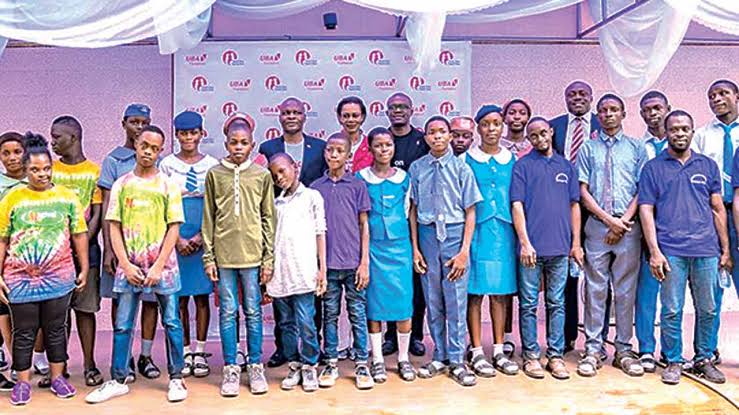
The Mindful Bridges Therapy Foundation has launched a vocational training programme for young people with autism and other neurodevelopmental conditions, aimed at helping them acquire practical skills, secure employment and become more independent as they transition into adulthood.
The foundation’s founder, Rosemary Mbanefo, disclosed this on Saturday during an autism awareness and acceptance walk in Abuja organised in partnership with the Nigerian Medical Association and other organisations.
Mbanefo said the initiative was created to address a major gap in support for autistic people after they leave school, particularly in the areas of vocational education, employment and independent living.
She said the focus should extend beyond diagnosing and supporting autistic children to preparing them for adulthood and ensuring they can lead meaningful lives.
According to her, the foundation currently provides specialised therapy and vocational training for young people aged between 13 and 25 living with autism, Attention Deficit Hyperactivity Disorder and other neurodevelopmental conditions.
She said beneficiaries are trained in about 10 vocational and creative areas, including music, painting, carpentry, hairdressing and wig-making.
Mbanefo disclosed that the foundation began full operations about two months ago and currently has approximately 12 learners enrolled in its programmes.
She said the organisation was seeking partnerships with businesses, institutions and other stakeholders that could provide employment opportunities for trainees or support those who want to establish small businesses after completing their training.
Mbanefo said the ultimate goal was not simply to provide facilities or training but to ensure that beneficiaries could apply their skills in real-life settings.
She noted that while some participants could eventually become entrepreneurs, others could work for businesses that were willing to provide suitable opportunities.
The foundation’s founder also called for greater social acceptance of autistic people, saying families should not be left to shoulder the responsibility of lifelong care without adequate support from society.
She said the emotional, psychological and financial burden of caring for people with autism could be significant, with the cost of specialised support varying according to individual needs.
Mbanefo, who previously lived in the United Kingdom, said her decision to establish the foundation in Nigeria was driven by a desire to support families affected by autism and contribute to improving the opportunities available to neurodivergent young people.
She urged Nigerians to recognise that autism could affect any family and called for greater inclusion of autistic people in education, workplaces and other areas of community life.
Also speaking at the event, a scientist, Amarachi Onyebichi, said autism was a neurodevelopmental condition with a significant genetic component.
Onyebichi rejected claims that genetically modified organisms were responsible for autism, saying there was no scientific evidence linking consumption of genetically modified foods to the condition.
She acknowledged the importance of good nutrition to human development but urged Nigerians to rely on scientific evidence when discussing the causes of autism.
Onyebichi further called for an end to discrimination against autistic people, stressing the need to treat them with dignity, patience and understanding.
She said autistic people possessed individual talents and abilities that should be identified and developed rather than allowing their condition to become the sole definition of their identity.
The foundation’s music facilitator, Netochukwu Mbanefo, and fashion facilitator, Ginikachi Duruaku, also spoke about the importance of exposing young beneficiaries to practical and creative activities.
They said developing the teenagers’ talents could improve their confidence, encourage self-expression and equip them with skills that could contribute to greater independence.
The awareness walk began along Ahmadu Bello Way in Kado, proceeded to Banex Plaza in Wuse and returned to Ahmadu Bello Way.
Volunteers and foundation members distributed educational materials to residents during the walk and used the exercise to promote greater understanding of autism and encourage families and communities to respond to autistic children with patience, care and acceptance.