

FG Rules Out Fuel Subsidy Return, Warns of ₦20 Trillion Annual Cost
The Federal Government has ruled out the reintroduction of petrol subsidy, warning that the policy could cost Nigeria more than ₦20 trillion annually and place further pressure on the naira.
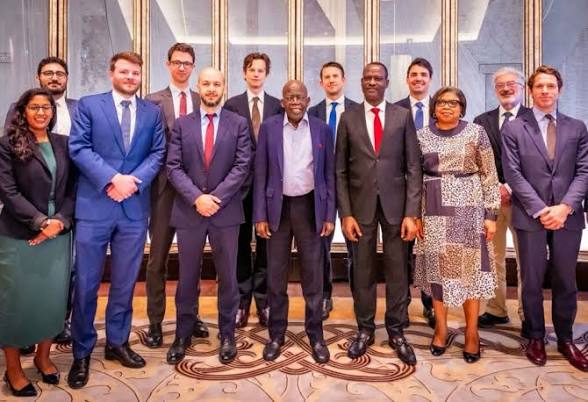
Minister of Finance and Coordinating Minister of the Economy, Taiwo Oyedele, disclosed this during a press briefing in Abuja on rising fuel prices and renewed calls for the return of subsidy.
Oyedele said Nigeria consumes approximately 50 million litres of petrol daily, adding that restoring petrol prices to their pre-reform levels would require more than ₦20 trillion annually, even before accounting for possible increases in consumption and fuel smuggling.
He explained that a proposal to sell petrol at ₦500 per litre would also cost the government more than ₦16 trillion yearly, an amount he said was comparable to a significant portion of the revenue shared among the federal, state and local governments.
According to the minister, restoring the subsidy could force the government to divert funds meant for essential services, including salaries, pensions, education, healthcare, infrastructure and national security.
He further warned that a return to the policy could weaken government revenue, increase borrowing costs, put pressure on foreign reserves and undermine the naira. He projected that the exchange rate could approach ₦3,000 to the dollar, potentially pushing petrol prices to at least ₦2,000 per litre.
Oyedele argued that subsidising petrol would not eliminate its actual cost but merely transfer the financial burden from consumers to the government, ultimately placing additional pressure on public finances.
He also cautioned that subsidised petrol could encourage smuggling into neighbouring countries where fuel prices are higher, leaving Nigerian taxpayers to bear the cost of consumption outside the country.
The minister defended the removal of fuel subsidy, stating that it had generated ₦15.8 trillion for the Federation Account between June 2023 and December 2025. He said ₦10.4 trillion of the amount went to state and local governments.
Rather than restoring a blanket subsidy, Oyedele said the government was pursuing alternative measures to ease the burden of rising fuel prices on households and businesses.
These measures include temporary petrol discounts at Nigerian National Petroleum Company Limited (NNPC Ltd) filling stations, tax and duty waivers on petroleum products, support for compressed natural gas adoption and efforts to moderate fuel price increases.
He also disclosed that the government was working towards a proposed ₦1,350-per-litre ceiling on petrol landing costs as part of efforts to reduce price volatility.
Oyedele maintained that the administration remained open to alternative proposals but insisted that any suggested policy must clearly explain its cost, funding arrangements and expected impact on pump prices.
He stressed that the government would prioritise targeted relief measures over a nationwide subsidy system, arguing that short-term price reductions should not come at the expense of long-term economic stability.