
Trump Rules Out Iran Strikes Before Midterms as Pentagon Readies Options While Hormuz Attacks Hit War-Time High
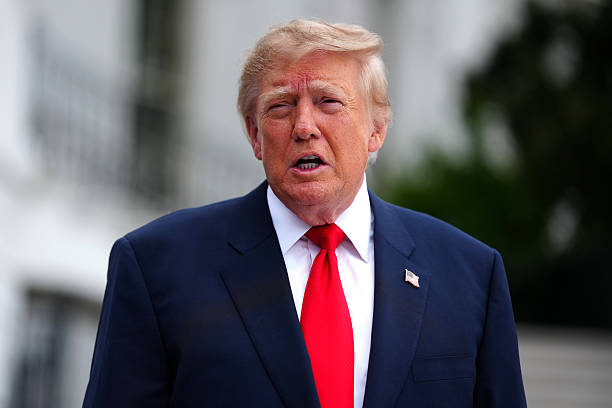
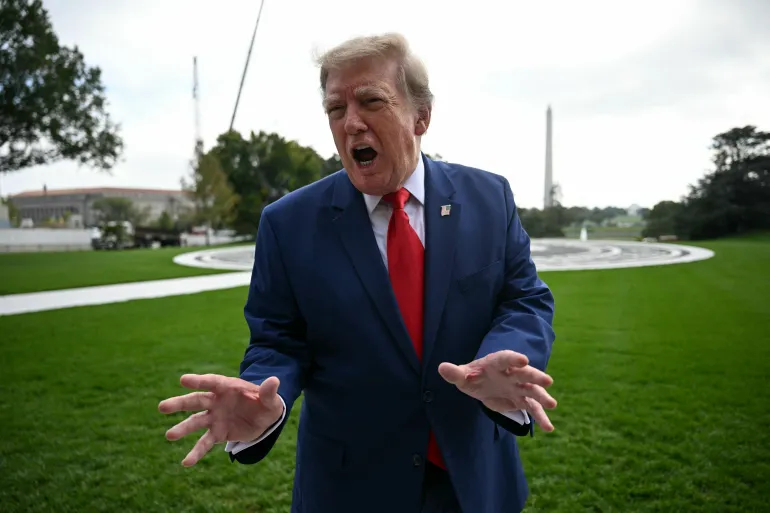
US President, Donald Trump has said he will not attack Iran before the November 3 midterm elections, but the war is far from over.
Washington is drawing up fresh strike options and sending more forces to the region while negotiations with Tehran stay deadlocked and Iranian attacks on shipping in the Strait of Hormuz climb.
Trump made the pledge on Truth Social last week, citing what he called productive discussions with Tehran, and said the US naval blockade of Iran’s ports would remain in full force.
He has also told a Republican Party convention in September that the conflict “is going to end immediately after the elections,” and told TIME that renewed action after the vote was “possible” if no acceptable deal is reached. Meanwhile, the Pentagon has reportedly developed options targeting Iran’s missile and drone arsenal, energy facilities and other military sites, and has told US Central Command to prepare for a possible large-scale offensive.
A third aircraft carrier strike group is also reportedly heading to the Middle East. The White House says Trump “has all options” available and that things will go “the easy way or the hard way.” Reports say Trump has been more hesitant at times, and that most of his advisers favour maintaining economic and other pressure for now.
Diplomacy has made little progress. Indirect, Qatari-mediated talks have stalled over control of the Strait of Hormuz and Iran’s nuclear programme. A June ceasefire collapsed over control of the waterway, which carried at least 20 percent of global crude and liquefied natural gas supplies before the war, and Washington has rejected an Iranian proposal to reopen it in exchange for lifting the blockade.
On the water, attacks have intensified. At least 10 vessels were hit in or near the strait between Sunday and Wednesday, according to security data from Vanguard, the International Maritime Organization and the UK’s maritime agency UKMTO. Six vessels were struck on Sunday, the highest single-day number since the war began. A total of 23 attacks have been recorded since the start of October, almost double the usual monthly average, and about 24 seafarers have died near the strait since the conflict started.
Iran’s Revolutionary Guards say a cargo ship sank after hitting a naval mine, the first such sinking Tehran has reported. An Iranian official told Reuters that Tehran has begun using different offensive tactics against vessels it considers to be violating its restrictions, and Iran’s security chief Mohsen Rezaei said the country has been striking ships in the US-backed shuttle through the strait every night for weeks.
Analysts say the surge may be aimed at disrupting the recent recovery in Gulf oil flows, which had climbed back to more than 80 percent of pre-war levels, and at showing that Tehran can still impose costs on global energy markets.
The war began with US-Israeli strikes on Iran on February 28. Oil prices, which stood at about $72 a barrel before the war, have reached nearly $120 at their peak.
Photo Credit: Getty Images