NHIA, Senate Back Health Taxes to Strengthen Healthcare Funding, Tackle Diseases

The National Health Insurance Authority (NHIA) and the Senate have called for stronger health tax reforms as part of efforts to secure sustainable healthcare financing, expand health insurance coverage and reduce the growing burden of non-communicable diseases in Nigeria.
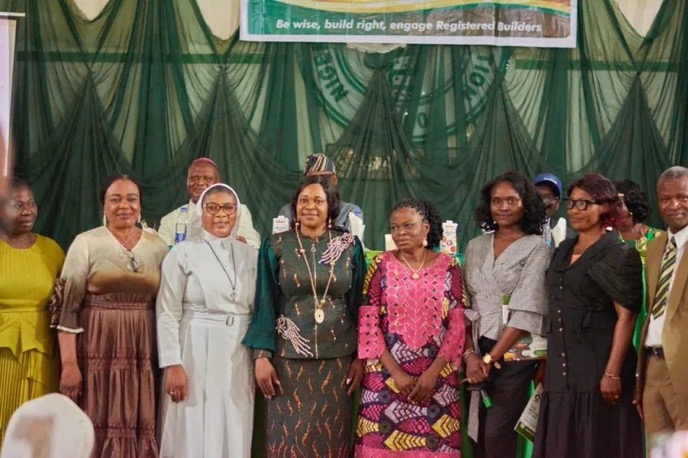
The call was made during a national stakeholder workshop on health taxes and sustainable healthcare financing held in Abuja, where participants discussed strategies for generating domestic resources to support the health sector.
NHIA Director-General, Dr. Kelechi Ohiri, said health tax reform requires collaboration among government institutions, lawmakers, the private sector, civil society organisations, the media and other stakeholders. He noted that Nigeria faces the dual challenge of infectious diseases and a rising incidence of non-communicable diseases linked to the consumption of products such as sugar-sweetened beverages, tobacco and alcohol.
According to him, health taxes can serve a dual purpose by discouraging unhealthy consumption patterns while generating additional resources to strengthen the healthcare system and improve access to essential services.
Ohiri disclosed that the Senate has passed a bill seeking reforms to the Sugar-Sweetened Beverage Tax framework and that the proposal is awaiting consideration by the House of Representatives.
The reforms are expected to channel part of the revenue toward health promotion, disease prevention and primary healthcare services.
Chairman of the Senate Committee on Health, Senator Ipalibo Banigo, said health taxes should be viewed not only as a source of revenue but also as an important public health intervention designed to reduce the consumption of products that contribute to disease.
She stressed the need for transparency and accountability in the collection and use of the funds, adding that citizens should be able to see clear links between tax revenues and improvements in healthcare services, particularly for vulnerable populations.
The World Health Organization’s representative in Nigeria, Dr. Pavel Ursu, also emphasized the importance of involving policymakers, lawmakers, civil society groups and other stakeholders in the development and implementation of health tax policies.
Participants at the workshop highlighted the need for practical mechanisms to ensure that revenues generated from health taxes are effectively directed toward healthcare financing, disease prevention programmes and the expansion of health insurance coverage across the country.
The push for health taxes comes amid concerns over healthcare financing in Nigeria, where many citizens still rely heavily on out-of-pocket payments for medical treatment, increasing the risk of financial hardship for households seeking healthcare services.