


Today in History: The Birth of Akwa Ibom State
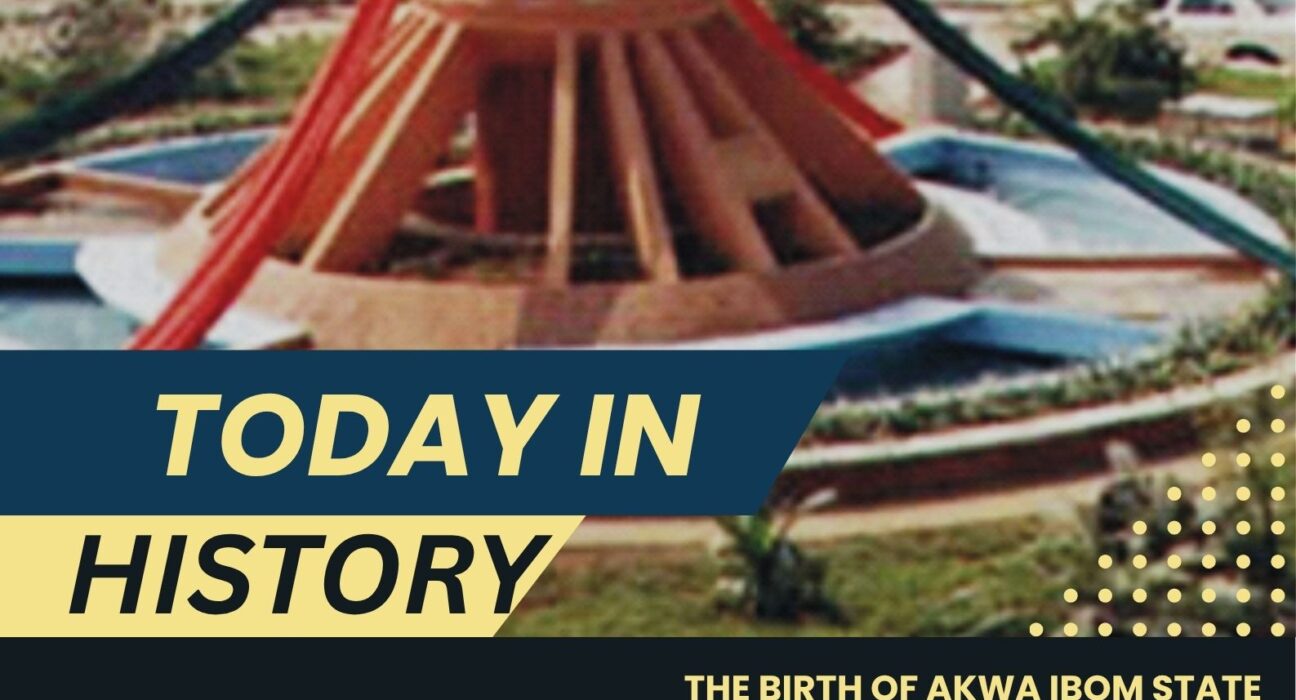
On September 23, 1987, Akwa Ibom State was officially carved out of the old Cross River State by the military administration of General Ibrahim Babangida. This monumental creation fulfilled decades of aspirations, political agitation, and socio-economic advocacy by the Annang, Ibibio, Oron, Eket, and other indigenous ethnic nationalities inhabiting Nigeria’s southeastern coastline.
Before its creation, the territory constituting modern-day Akwa Ibom was part of the broader southeastern administrative zone. In the pre- and post-independence eras, regional leaders initially organized under movements like the Calabar-Ogoja-Rivers agitation to secure greater autonomy. As political dynamics shifted through the Nigerian Civil War and the 1976 creation of Cross River State, the distinct cultural identity and unique developmental needs of the Annang, Ibibio, and Oron peoples became increasingly pronounced. Decades of persistent, peaceful lobbying by traditional rulers, intellectuals, and community leaders eventually culminated in the historic 1987 decree, establishing Akwa Ibom as the 21st state in the Nigerian federation.
The creation of Akwa Ibom State fundamentally transformed the socio-political and economic landscape of the region. Administratively, it brought closely related ethnic groups under one unified governance structure, fostering a profound sense of shared identity, peace, and communal harmony. From its initial days, the capital city of Uyo has experienced rapid urbanization, evolving into one of Nigeria’s most modern, well-planned, and cleanest urban centers. Economically, the state transitioned into a powerhouse fueled by substantial oil and gas reserves, rich agricultural belts, and pioneering commercial ventures such as Ibom Air.
More than three decades after its historic birth, Akwa Ibom State proudly celebrated as the “Land of Promise” stands as a testament to the power of self-determination. It remains a shining example of how regional autonomy can successfully drive infrastructural growth, cultural preservation, and administrative excellence.