

ISWAP Crisis Deepens as Ba Shuwa Moves Against Senior Buduma Commanders
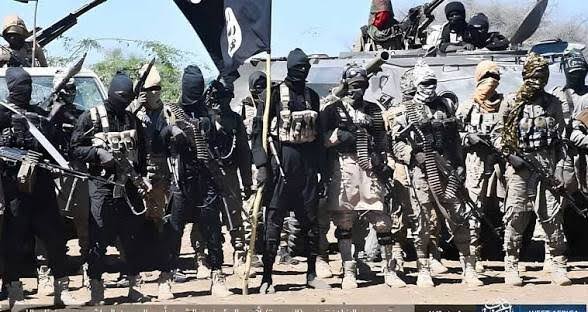
The leadership crisis within the Islamic State West Africa Province (ISWAP) is reportedly worsening around the Lake Chad region, following an alleged crackdown by the group’s Wali, Ba Shuwa, against senior commanders from the Buduma faction.
Ba Shuwa is said to have ordered the execution of a senior member of the Buduma Shura Council while also directing the arrest of several prominent commanders amid growing concerns over loyalty within the group.
The latest internal purge is reportedly linked to fears that some Buduma commanders may defect to the rival JAS faction or surrender to Nigerian troops operating around the Lake Chad axis.
Among those reportedly detained is Yaku Abu Adam, who was recently appointed Deputy Amir al-Jaysh.
His recent appointment is believed to have brought him closer to the ISWAP leadership, potentially making it easier for the group to monitor and subsequently arrest him.
Another senior commander, identified as Bashihuba, has also reportedly being detained. Both commanders are believed to be at risk of execution.
The crackdown reportedly came after the execution of Malam Haruna, a senior member of the Buduma Shura Council.
The latest incident is reportedly the third major purge targeting senior members of the Shura Council within ISWAP in the past three months, pointing to increasing distrust and divisions within the group.
The actions attributed to Ba Shuwa are believed to be driven largely by concerns that elements within the Buduma leadership could abandon ISWAP, switch allegiance to JAS or surrender to Nigerian security forces.
The development has reportedly increased tensions between ISWAP’s central leadership and Buduma commanders operating across the Lake Chad islands and surrounding areas.
The internal crisis comes amid intensified military operations and other pressure against terrorist groups operating in Nigeria’s North-East.
The leadership disputes could temporarily disrupt ISWAP’s command and control structure around Lake Chad, particularly as senior commanders focus more attention on internal loyalty and security concerns.
However, the growing instability could also create additional security threats, including possible retaliatory attacks by affected factions seeking to assert their influence or settle internal disputes.
The crackdown is considered significant because of the strategic role of the Buduma community within ISWAP’s Lake Chad operations. The group has relied on networks of fighters, commanders and logistical support among the community.
The increasing distrust has also reportedly been linked to psychological operations targeting terrorist factions, including messages centred on alleged marginalisation and grievances among Buduma members within ISWAP.
Security forces operating around the Lake Chad region are therefore expected to maintain heightened vigilance as tensions within the group persist.
Close monitoring of terrorist camps, particularly the movements of senior commanders and their loyalists, remains important, alongside increased intelligence, surveillance and reconnaissance efforts around detention sites and locations where potential defectors may emerge.