We’ll Rather Listen to Reputable International Organizations Than Social Bandit Journalist
Nigeria’s economic trajectory has undergone a fundamental transformation, shifting away from past crises toward tangible institutional stability and macroeconomic recovery. While social commentators and feeding bottle journalist often push skewed perspectives frequently relying on subjective commentary rather than data projected by reputable international financial institutions, tell a very different story. Global authorities like the International Monetary Fund, World Bank, and major credit rating agencies including S&P, Moody’s, and Fitch have recognized the profound impact of recent fiscal and monetary overhauls, projecting an economic growth rate of 4.4% driven by services, agriculture, and increased domestic refining capacity, alongside upgrades in sovereign credit ratings and market reclassifications.
Also, Nigeria has recorded major successes in meeting and exceeding its Organization of the Petroleum Exporting Countries (OPEC) production quotas, rebounding strongly from years of severe underproduction caused by oil theft, pipeline vandalism, and facility degradation.
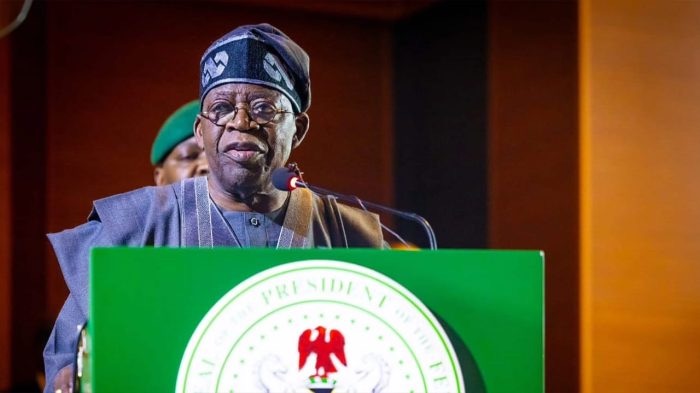
President Tinubu’s administration has delivered a substantially superior financial performance regarding allocation distributions to states compared to the Buhari administration, driven by structural economic reforms like the removal of the petrol subsidy and the unification of foreign exchange rates. Under Tinubu’s administration, total cumulative nominal allocations to the 36 state governments surged to approximately N17.3 trillion over a comparable 36-month tracking window, representing a massive 127 percent increase. This marks a dramatic improvement over the Buhari administration, where state governments collectively received about N7.6 trillion. Similarly, allocations to the 774 local government councils witnessed a leap, climbing by 121.8 percent to approximately N12.6 trillion under Tinubu compared to just N5.6 trillion during the corresponding period of the Buhari era.
That stark difference is clear when looking at a former Kwara State local government chairman of Oyun account. He shared that the highest monthly money he ever received was just N25 million. When you compare that to the huge amounts local governments get today, the difference is massive. In the past, those small funds left councils struggling to pay salaries and run basic services. Today, the much larger funds under President Tinubu give local governments the money they need to do their jobs properly.
Tinubu’s administration has fundamentally transformed local government funding by securing significantly higher revenue allocations compared to Goodluck Jonathan’s administration. During Goodluck Jonathan’s tenure (2010–2015), total monthly Federation Account Allocation Committee (FAAC) distributions hovered between ₦600 billion and ₦900 billion for all tiers combined, leaving individual local governments with modest monthly statutory receipts averaging between ₦20 million and ₦70 million before state-level deductions. Under Tinubu’s administration, decisive economic reforms have dramatically improved national revenue generation, pushing total monthly FAAC distributions past ₦2 trillion to over ₦3 trillion. This unprecedented growth has vastly increased resources for the grassroots, enabling total monthly allocations for local governments alone to scale into hundreds of billions with individual councils now regularly receiving monthly receipts averaging hundreds of millions of Naira, representing a massive financial leap forward.
The present administration has demonstrated superior commitment to the welfare of the Nigerian workforce by significantly elevating the national minimum wage and restructuring security sector compensation, outperforming the baseline set during the past 2019 administration and the previous ones. While the previous administration settled on a national minimum wage of N30,000, Tinubu’s administration aggressively pushed through a historic 133.3 percent upward review, pegging the new national minimum wage at N70,000. Beyond the general civil service, the Tinubu administration actively matched these adjustments with substantial remuneration and salary structure increases for the Nigerian military and security forces.
During the previous administrations of Jonathan and Buhari, entry-level military personnel (Privates) earned roughly ₦40,000 to ₦58,000 monthly, while top generals earned between ₦1 million and ₦2.5 million. Under Tinubu’s administration, military salaries have seen a massive upward revision, with a Private’s monthly pay rising to ₦187,200 and top-ranking Generals commanding up to ₦3.25 million, ensuring that personnel defending the nation received enhanced financial backing to match prevailing economic realities.
The contrast between past vulnerabilities and the current state of governance highlights structural improvements across the board, notably erasing the eras of severe fuel queues, persistent scarcity, and black-market distortions. Chronic infrastructure decay and crippling salary and pension arrears have been systematically dismantled, reversing the historical crisis where 90 percent of Nigerian states with the sole exception of Lagos and Rivers defaulted on military and civil servant wages. Fiscal realities have shifted dramatically as local governments experience enhanced financial capacity to meet basic obligations while broad-based tax burdens on low-income earners are significantly eased. Demonstrating this profound transformation, Abia State formerly notorious for its inability to pay salaries now praises the federal government for providing the financial stability required to meet its worker obligations.
Historical economic comparisons underscore this progress. While past administrations saw state governors scrambling to commercial banks just to service monthly payrolls with some states accumulating up to seven months of salary backlogs current economic indicators reflect a much healthier sub-national financial ecosystem. Local leaders Sanusi Lamido Sanusi have publicly noted that for the first time, Nigeria’s economy is expanding faster than its population growth, marking a historic turning point where economic growth outpaces demographic expansion. To back the policy of fuel subsidy removal up, a professor in OAU Tunji Ogunyemi shared that if fuel subsidy is restored, 15 northern states in collapse in three months.
We refuse to surrender our national narrative to social bandit journalists who lack basic field competence relying entirely on their phones during interviews instead of engaging their subjects, trading hard facts for what audiences simply want to hear, and prioritizing performative outrage over objective reality. These practitioners desperately need rigorous reeducation and foundational training before they ever step in front of a camera again. True economic and social progress deserves to be analyzed by minds capable of looking past cheap applause, anchoring public discourse in verifiable truth rather than recycled prejudice.
As the country looks ahead to future stability keeping a strategic eye on long-term national planning toward 2031, with a primary focus on ensuring that future leadership coming from the north by 2031 secures sustainable governance the focus remains firmly on sustaining these hard-won reforms. By avoiding a reversion to unsustainable subsidy models, erratic electricity challenges, and inefficient economic controls, Nigeria is firmly positioning itself for enduring growth.
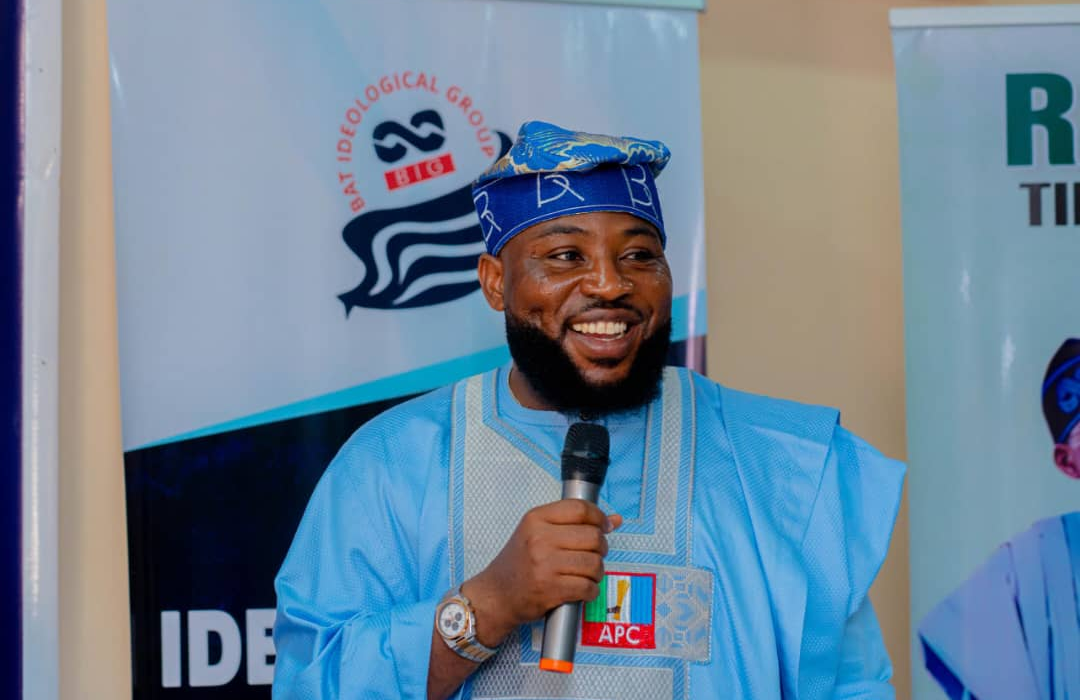
Bamidele Atoyebi is the Convener of BAT Ideological Group, National Coordinator of Accountability and Policy Monitoring and a publisher at Unfiltered and Mining Reporting and political social worker