


Lagos Assembly Seeks to Keep Magistrates on Bench Till 65
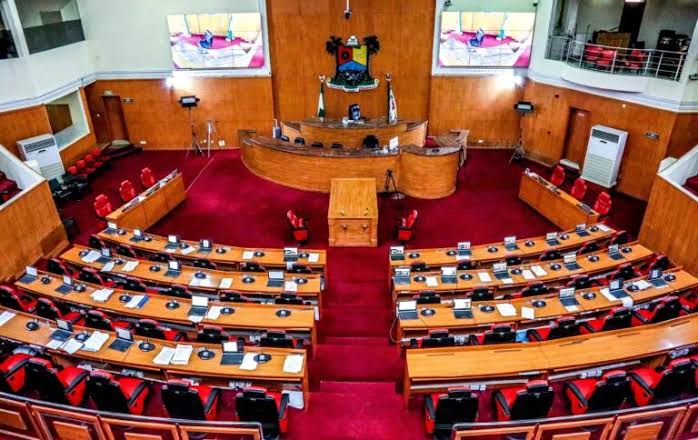
The Lagos State House of Assembly has advanced a proposal to extend the retirement age of magistrates from 60 to 65 years, citing the need to retain experienced judicial officers and prevent disruptions to ongoing cases.
The proposal is contained in the Lagos Magistrate Courts Amendment Bill 2026, which passed its second reading at the Assembly on Monday.
The lawmakers said the proposed five-year extension would help preserve judicial expertise, improve continuity in court proceedings and strengthen the state’s capacity to handle its growing caseload.
Leading the debate, the Chairman of the House Committee on Judiciary, Human Rights, Public Petitions and LASIEC, Oladipo Ajomale, said Lagos had invested significantly in the training and development of its magistrates.
He argued that the state should retain the experience gained by judicial officers rather than lose it when they attain the current retirement age of 60.
According to Ajomale, magistrates handle a substantial number of cases involving residents, making continuity on the bench essential to effective justice delivery.
He warned that the retirement of a magistrate before concluding cases could lead to delays and, in some circumstances, require proceedings to start afresh.
Ajomale said extending the retirement age would therefore help minimise disruptions while allowing experienced magistrates to continue contributing to the justice system.
He also called for improved welfare and working conditions for magistrates, noting that such measures would help retain experienced judicial officers and strengthen the magistracy.
Supporting the proposal, Bonu Solomon urged the government to pay greater attention to the welfare of magistrates and research into their working conditions.
Bonu raised concerns about the workload of magistrates, claiming that some judicial officers were handling more than 100 cases in a single day.
He argued that better welfare would improve their motivation and enable them to perform their judicial responsibilities more effectively.
The Speaker of the House, Mudashiru Obasa, however, broadened the debate by questioning whether age should be the sole criterion for determining when magistrates leave the bench.
Obasa argued that competence and the ability to continue performing effectively should also be considered in determining a judicial officer’s retirement.
He noted that many people above 60 remained productive and capable of carrying out their responsibilities, saying competent magistrates should not automatically be required to retire solely because they had reached the existing age limit.
Following the debate, Obasa referred the bill to the Committee on Judiciary, Human Rights, Public Petitions and LASIEC for further consideration.
The committee was directed to scrutinise the proposed amendment and submit its report to the House within one week.