Libya’s Rival Factions Sign UN-Backed Deal on Elections
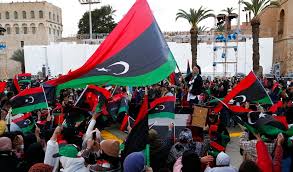
Representatives of Libya’s rival political factions have signed a United Nations-backed agreement aimed at paving the way for long-delayed presidential and legislative elections in the divided North African country.
The agreement was signed on Sunday at the headquarters of the UN Support Mission in Libya in Tripoli following months of negotiations held in Rome and Tunis.
Under the deal, legislative and presidential elections are expected to be organised within 24 months, although the process is conditional on the establishment of a single executive authority and unified national institutions.
That condition remains a major challenge, as Libya continues to be divided between competing administrations in the west and east.
Libya has struggled with political instability since the 2011 uprising that ended the rule of longtime leader Muammar Gaddafi, with rival political and military factions continuing to contest control of the oil-producing country.
The western-based, UN-recognised government is led by Prime Minister Abdulhamid Dbeibah, while a rival administration in the east is backed by military commander Khalifa Haftar.
Dbeibah described the agreement as an important development, particularly because it includes provisions for restructuring the High National Electoral Commission.
Haftar’s side also welcomed the agreement, with television channel al-Masar reporting that he viewed the development as progress towards resolving longstanding issues that have prevented Libya from holding national elections.
The UN Support Mission in Libya chief, Hanna Tetteh, welcomed the agreement but urged the parties to move beyond signing the document and ensure that its provisions are implemented.
Libya was scheduled to hold presidential elections in December 2021 as part of efforts to reunify the country, but the polls were postponed indefinitely amid disagreements among political factions.
Key disputes have included whether military personnel and dual nationals should be permitted to contest the presidency and whether presidential and parliamentary elections should take place simultaneously.
In August 2025, the United Nations proposed a roadmap for holding national elections and reunifying Libya’s state institutions through what it described as a politically viable electoral framework and the formation of a new unified government.
The latest agreement is separate from another initiative led by Massad Boulos, a senior adviser to US President Donald Trump on Arab and African affairs, which seeks to improve relations between Libya’s eastern and western authorities.