



What is Ìṣẹ̀ṣe Day and when is it Normally Observed?
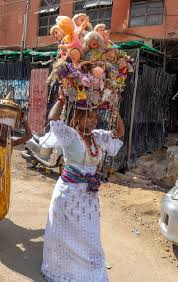
Every August 20, a distinct energy ripples across South-West Nigeria Streets fill with vibrant processions of devotees dressed in white, traditional drums echo through historic towns, and sacred offerings are made to honor the ancestral pantheon. This is Ìṣẹ̀ṣe Day, a dedicated observance of Yoruba heritage, indigenous spirituality, and cultural identity. The word itself translates to “tradition” or “original practice.” While individual deities like Ṣàngó, Ògún, and Ọ̀ṣun have long held their own distinct celebrations, this day serves as a unified gathering to honor the Supreme Creator, the ancestors, and the foundational spirituality of the region.
For decades, traditional worshippers operated without official state recognition, even as other major religious holidays were firmly established in national calendars. A major turning point occurred when the Osun State government officially declared August 20 a public holiday for traditionalists. That legislative shift created a momentum that spread across the region. Cultural advocates, traditional leaders, and practitioners lobbied for parity, leading states like Lagos, Ogun, and Oyo to officially adopt the holiday and grant work-free days for residents to observe their rites.
Beyond the spiritual ceremonies, Ìṣẹ̀ṣe Day has become a powerful driver of cultural renewal. It plays a vital role in safeguarding Yoruba oral literature, indigenous crafts, and historical attire. The occasion also reinforces the concept of Ọmọluabi the traditional ethical code built on character, integrity, and mutual respect. Furthermore, the holiday attracts members of the African diaspora who journey back to reconnect with their roots. Ultimately, Ìṣẹ̀ṣe is Day stands as a testament to cultural pride and pluralism, proving that the ancestral foundation of the Yoruba people remains resilient and enduring.