

Obi Advocates for Peaceful, Issue-Based Campaigns Ahead of 2027 Elections
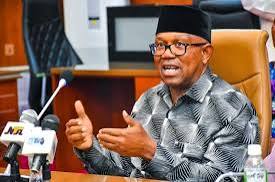
The presidential candidate of the Nigeria Democratic Congress, Peter Obi, has urged political parties and candidates to adopt peaceful and issue-driven campaigns ahead of the 2027 general elections, stressing that those seeking public office must demonstrate conduct befitting the positions they aspire to occupy.
Obi spoke on Tuesday in Abuja shortly before the National Peace Accord signing ceremony organised by the National Peace Committee in collaboration with The Kukah Centre.
The former Anambra State governor expressed concern over the loss of lives during elections and called on political actors to ensure that no Nigerian dies because of an electoral contest.
He argued that candidates should not require a peace agreement to remind them of their responsibility, saying anyone seeking high political office should naturally lead by example.
According to Obi, campaigns should focus on the issues affecting Nigerians rather than personal attacks or conduct capable of heightening political tension.
“We have a peaceful, issue-based campaign. We must, for the sake of this country, ensure that our conduct reflects the office we’re seeking,” he said.
Obi maintained that the behaviour of politicians before, during and after elections should reflect the dignity associated with the offices they seek, noting that political leaders cannot aspire to be addressed as “His Excellency” without demonstrating excellence in their conduct.
He said the peace process should therefore begin with the personal responsibility of candidates to conduct themselves properly throughout the electoral period.
The former governor also called for the remembrance and proper commemoration of people who lost their lives during the recent Osun State governorship election.
He urged political actors to visit the families of the deceased, offer them support and ensure that future elections do not result in avoidable deaths.
Obi said Nigeria’s democracy should reach a point where citizens no longer have to lose their lives for elections, describing election-related deaths as painful and unacceptable.
On his continued participation in the electoral process despite concerns surrounding Nigeria’s elections, Obi said his desire to reform the system was one of the reasons he remained committed to participating in it.
“Because I want to change the process, I have to go through it, so I have to believe in it,” he said.
Reacting to suggestions that a “justice accord” should be introduced alongside the peace agreement to impose sanctions on candidates and political parties that breach their commitments, Obi said the name of the agreement was secondary to the conduct of those signing it.
He stressed that candidates must consistently ensure that their words and actions reflect the responsibilities attached to the offices they are pursuing.
Asked about his major concern ahead of the 2027 election, Obi said he he wanted Nigerians to have an electoral process in which their votes would genuinely determine the outcome.
“I don’t have any fear, except to say that please, for the sake of the children of Nigeria, can we have an election where people’s vote will count?” he asked.
He further argued that voters themselves could impose the most effective sanction on politicians or parties that violate electoral commitments.
According to him, Nigerians should deny such candidates their votes at the ballot box.
Obi’s comments come as political parties and presidential hopefuls intensify preparations for the 2027 general elections, with the economy, insecurity, unemployment, living costs and electoral credibility expected to feature prominently in the campaigns.
His call for peaceful and issue-based campaigns also comes against the background of Nigeria’s history of electoral violence, allegations of malpractice and deaths associated with political contests.
The former governor’s position places responsibility for a peaceful electoral process not only on electoral and security institutions but also on political candidates and parties, while urging voters to use their ballots to hold political actors accountable.