


US Department of State Outlines Seven Key Factors Leading to Visa Application Denials
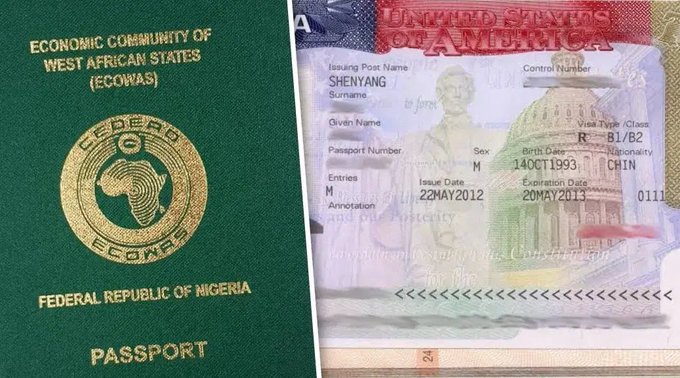
Securing a United States visa is not guaranteed, as every applicant is evaluated strictly according to U.S. immigration laws during an in-person consular interview.
While a significant majority of applicants receive approval, several critical factors can result in a refusal.
A major cause for denial is submitting incomplete, unclear, or inconsistent information and documentation, which prevents consular officers from properly evaluating an applicant’s qualifications.
Similarly, applicants must meet the specific legal and procedural criteria established for their precise visa category, such as student, work, or visitor permits, and must provide sufficient evidence to support their intended purpose of travel.
Background issues also serve as primary grounds for ineligibility, particularly any history involving past or ongoing criminal conduct, as well as involvement in drug-related offenses.
Beyond specific criminal records, applicants may fall under general immigration ineligibility rules tied to broader legal, security, or statutory concerns identified during screening.
Finally, for those who are initially deemed ineligible but qualify to request a waiver, failing to secure that waiver will result in a final refusal, though receiving a waiver opportunity does not automatically ensure approval.
The U.S. Department of State advises individuals who face a denial to carefully review the specific reasons provided by the consular officer to determine if further action or reapplication is possible, emphasizing that all decisions are made on an individual basis dependent on complete and truthful disclosures.