

FG Invests Over ₦1 Trillion in Tertiary Education in Two Years to Expand Access, Upgrade Infrastructure
The Federal Government of Nigeria has invested more than ₦1 trillion in the tertiary education sector over the past two years to eliminate financial barriers for students and upgrade learning infrastructure across universities, polytechnics, and colleges of education nationwide.
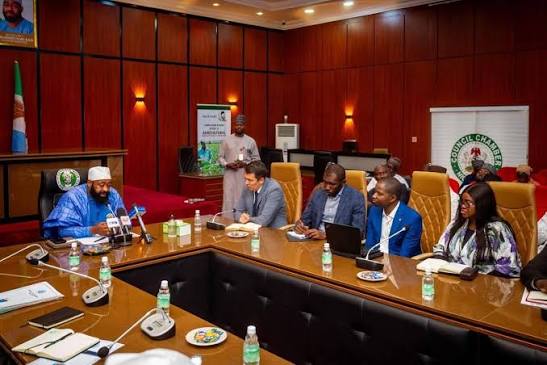
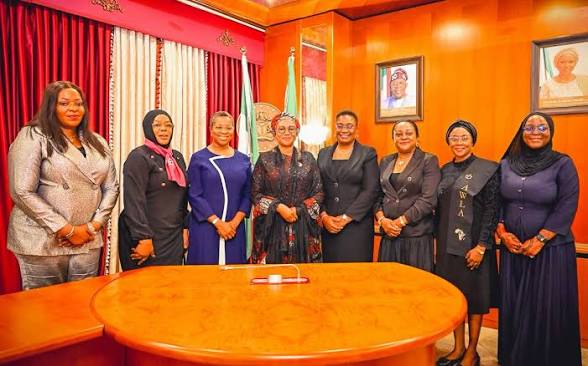
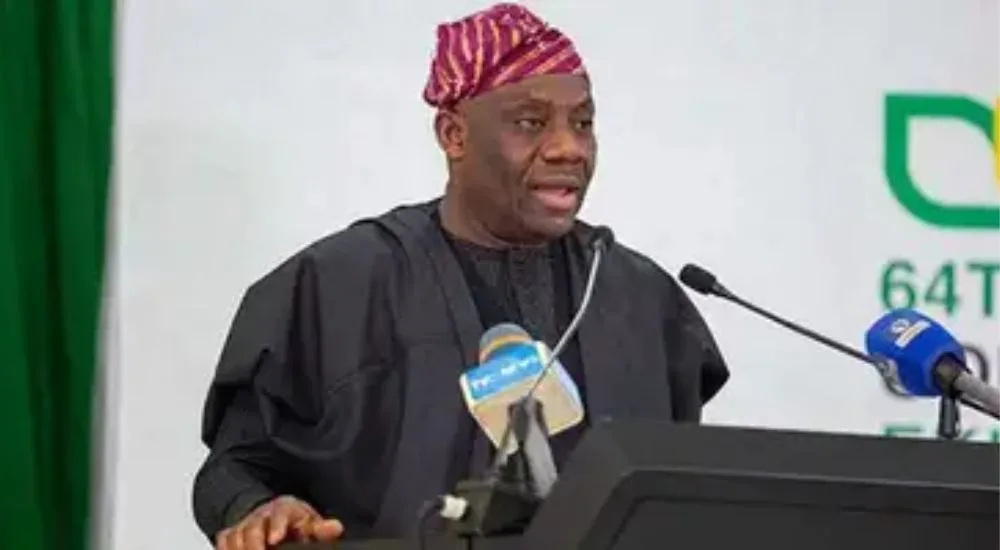
Minister of Education, Dr. Maruf Tunji Alausa, disclosed the figure in Abuja during a meeting with members of the National Committee for the Advancement of Occupational Therapy, Audiology, and Speech and Language Therapy Education.
He emphasized that the capital deployment aligns with President Bola Tinubu’s human capital development agenda, ensuring that no qualified Nigerian is denied access to higher education due to financial hardship or indigent background.
A breakdown of the funding allocations revealed major commitments toward student welfare and academic infrastructure:
* Hostels & General Facilities: ₦250 billion allocated for the construction of new student hostels, alongside over ₦150 billion for rehabilitating existing hostels, classrooms, and academic facilities.
* Medical Education & Healthcare Training: Over ₦130 billion directed to upgrading and expanding medical schools nationwide, ₦52 billion for modern medical equipment across 18 medical schools, and nearly ₦30 billion to establish 11 state-of-the-art medical simulation laboratories for practical clinical training.
* Engineering & Technical Training: Nearly ₦110 billion invested in constructing and rehabilitating engineering workshops and procuring modern technical equipment for Federal Universities of Technology, conventional universities, and polytechnics.
During the session, Committee Chairman Dr. Victoria Omua Amu presented an implementation report noting baseline assessments for specialized health disciplines, revealing that six Nigerian universities currently offer Audiology, five run Occupational Therapy, and three offer Speech and Language Therapy. She confirmed ongoing engagements with the National Universities Commission (NUC) and relevant professional boards to expand these offerings, while identifying delays in accessing Tertiary Education Trust Fund (TETFund) disbursements as a key operational hurdle.
Minister Alausa reaffirmed the Ministry’s commitment to addressing institutional bottlenecks, reiterating that sustained funding and structural reforms will continue to reposition Nigerian tertiary institutions to produce a skilled, globally competitive workforce.