
Naira Exchanges at ₦1,362.09 to US Dollar
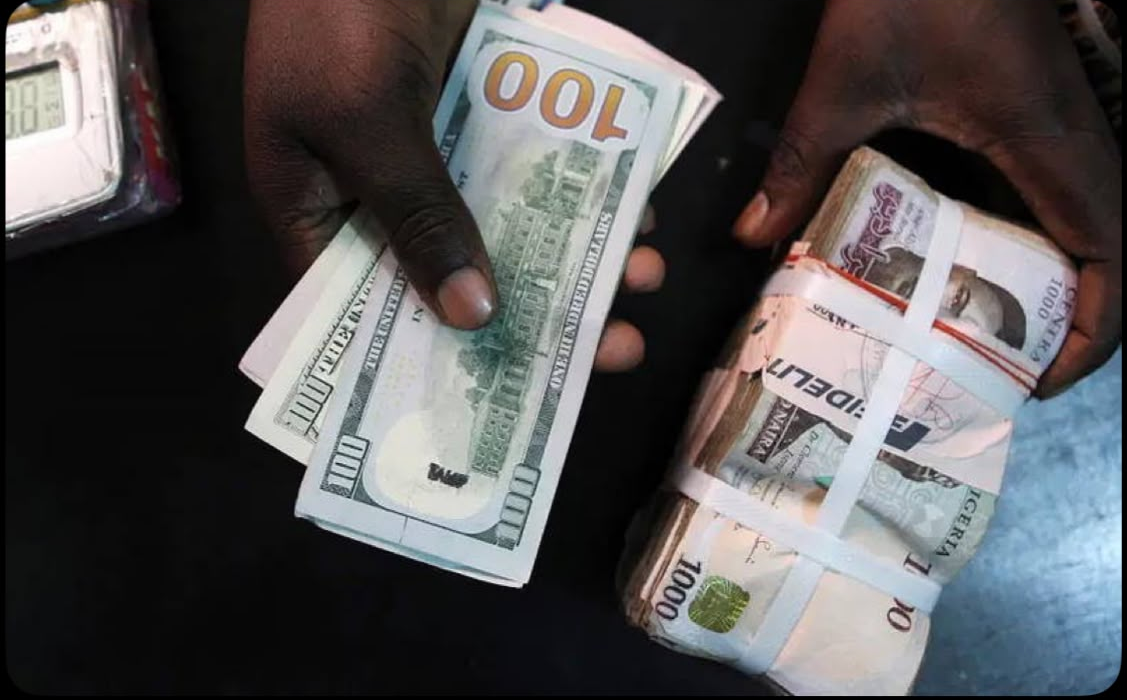
The Nigerian naira exchanged at ₦1,362.09 to the United States dollar at the official foreign exchange market, according to the latest data released by the Central Bank of Nigeria (CBN), reflecting continued stability in the country’s foreign exchange market.
Figures from the Nigerian Foreign Exchange Market (NFEM) showed that the local currency maintained a relatively stable position against the dollar, with trading occurring within a narrow range during the latest trading session.
Market data indicated that the dollar traded at a high of approximately ₦1,365.00/$1 and a low of about ₦1,359.00/$1, before settling around the official benchmark rate of ₦1,362.09/$1.
The latest exchange rate comes as the CBN continues to implement reforms aimed at improving liquidity in the foreign exchange market, enhancing transparency, and promoting a market-driven exchange rate system.
The apex bank has maintained that its policy measures are intended to strengthen confidence in the naira while ensuring greater efficiency in the allocation of foreign exchange.
Economic analysts say the relative stability recorded in recent weeks reflects improved market confidence and increased foreign exchange inflows. However, they note that the naira’s performance will continue to depend on factors such as oil export earnings, foreign investment inflows, and the level of demand for foreign currency by businesses and importers.
Meanwhile, the exchange rate in the parallel market remained slightly different from the official rate, with traders quoting the US dollar within a narrow margin of the official market, highlighting a continued convergence between both markets.
The CBN has repeatedly urged individuals and businesses to conduct foreign exchange transactions through authorised financial institutions, stressing that ongoing reforms are designed to ensure a more transparent, competitive, and stable foreign exchange market.
The naira’s performance remains closely watched by investors, businesses, and policymakers as Nigeria seeks to sustain economic growth, curb inflationary pressures, and improve foreign exchange stability.