


Senate Minority Leader Questions Viability of Proposed State Police

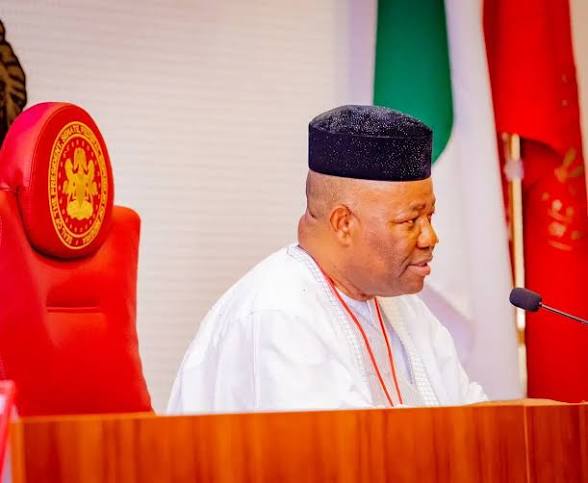
Senate Minority Leader, Abba Moro has expressed opposition to the proposed establishment of state police, arguing that the initiative may not effectively address Nigeria’s security challenges and could be vulnerable to political interference.
Moro, who represents Benue South Senatorial District on the platform of the Peoples Democratic Party (PDP), made the remarks on Wednesday while speaking with journalists at the National Assembly after plenary.
The senator said some governors advocating for state police were motivated by personal interests rather than a genuine commitment to improving security, warning that the proposed institution could be misused in a manner similar to state independent electoral commissions.
He also questioned the financial capacity of state governments to sustain a police force, noting that several states have struggled to adequately fund existing community-based security outfits.
Citing Benue State as an example, Moro said informal security groups such as Operation Zenda, Operation Vanguard and homeland security volunteers have reportedly faced challenges, including unpaid stipends and inadequate logistics needed to tackle insecurity.
According to him, if states are unable to consistently provide basic funding and equipment for existing security outfits, it raises concerns about their ability to finance and manage a state police system.
His comments come amid ongoing legislative consideration of the State Police Bill. The Senate passed the proposed legislation in June after securing the support of more than two-thirds of lawmakers.
The House of Representatives, which had earlier passed its own version of the bill, has since withdrawn it and is currently considering the version approved by the Senate.
If passed by both chambers, the bill will be transmitted to the 36 state Houses of Assembly, where it must receive approval from at least 24 state legislatures before being forwarded to the President for assent.
Under the proposed legislation, each state police service would be headed by a Commissioner of Police appointed by the governor and confirmed by the state House of Assembly. The bill also empowers governors to issue lawful policy directives on matters relating to public safety and public order.
It further provides for the establishment of a State Police Service Commission, which would oversee recruitment, promotions and disciplinary matters within the state police structure, while state governments would be responsible for funding and administering the service.
Supporters of the bill argue that state policing would improve intelligence gathering, strengthen local security responses and bring law enforcement closer to the communities they serve. However, critics have continued to express concerns about funding, political influence and the potential abuse of the proposed structure.
(Photo Credit: PremiumTimes Nigeria)