

SERAP Gives Akpabio, Abbas 7-Days to Refund ₦110bn Spent on Luxury Cars, Allowances
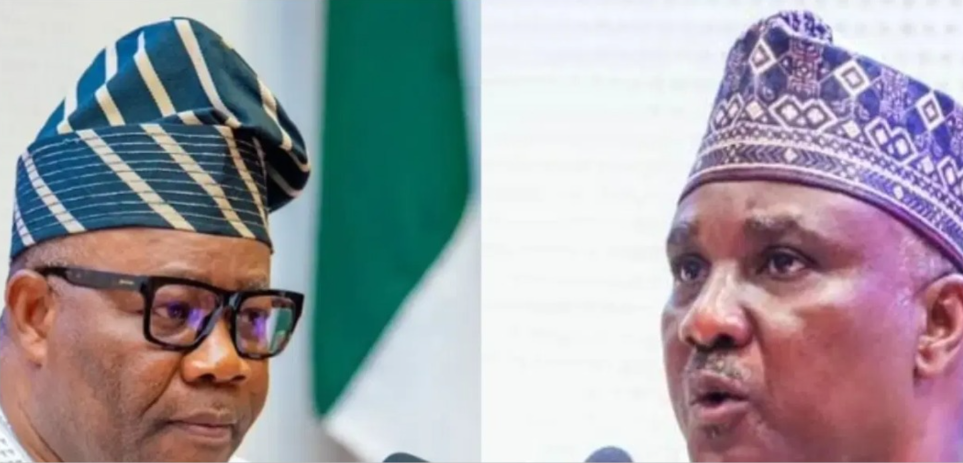
The Socio-Economic Rights and Accountability Project (SERAP) has issued a direct mandate to Senate President Godswill Akpabio and the Speaker of the House of Representatives, Tajudeen Abbas, demanding the immediate refund of ₦110 billion spent on bulletproof luxury vehicles, National Assembly renovations, and a controversial ₦100 billion “unlawful allowance.”
In an open letter dated June 20, 2026, signed by its Deputy Director, Kolawole Oluwadare, the civil society organization urged the National Assembly leadership to return the funds to the public treasury. SERAP threatened to file a lawsuit to compel compliance if Akpabio and Abbas failed to act within seven days.
The advocacy group argued that the multi-billion naira expenditure is a flagrant violation of the 1999 Constitution (as amended) and international anti-corruption standards, especially given the current economic hardships facing millions of Nigerians.
According to SERAP’s breakdown, the funds in question include:
* ₦100 Billion Allowance: An allocation buried within the 2023 Supplementary Appropriation Act intended to support the “living conditions” of lawmakers, which the group labels as unconstitutional.
* ₦57.6 Billion Luxury Fleet: The purchase of hundreds of high-end, bulletproof Sports Utility Vehicles (SUVs) for members and leadership.
* Renovation Budgets: Inflated expenses linked to rebuilding and modernizing parliamentary office complexes despite severe nationwide infrastructure deficits.
SERAP stated that while over 133 million Nigerians are locked in multidimensional poverty, public officials cannot justify spending public funds on personal comfort.
The group maintained that the National Assembly’s constitutional role is to exercise oversight over public resources, not to divert them into “extravagant and illegal” privileges.
The letter also noted that if the lawmakers refuse to return the money, SERAP will take legal action to hold them accountable, arguing that public office is a public trust and public wealth must be channeled toward essential sectors like education, healthcare, and infrastructure.