


UK Mulls Social Media Ban for Children Under 16 in Major Online Safety Regulation
The United Kingdom government has announced plans to prohibit children under the age of 16 from accessing social media platforms, in what officials describe as one of the most significant online safety reforms in the country's history.
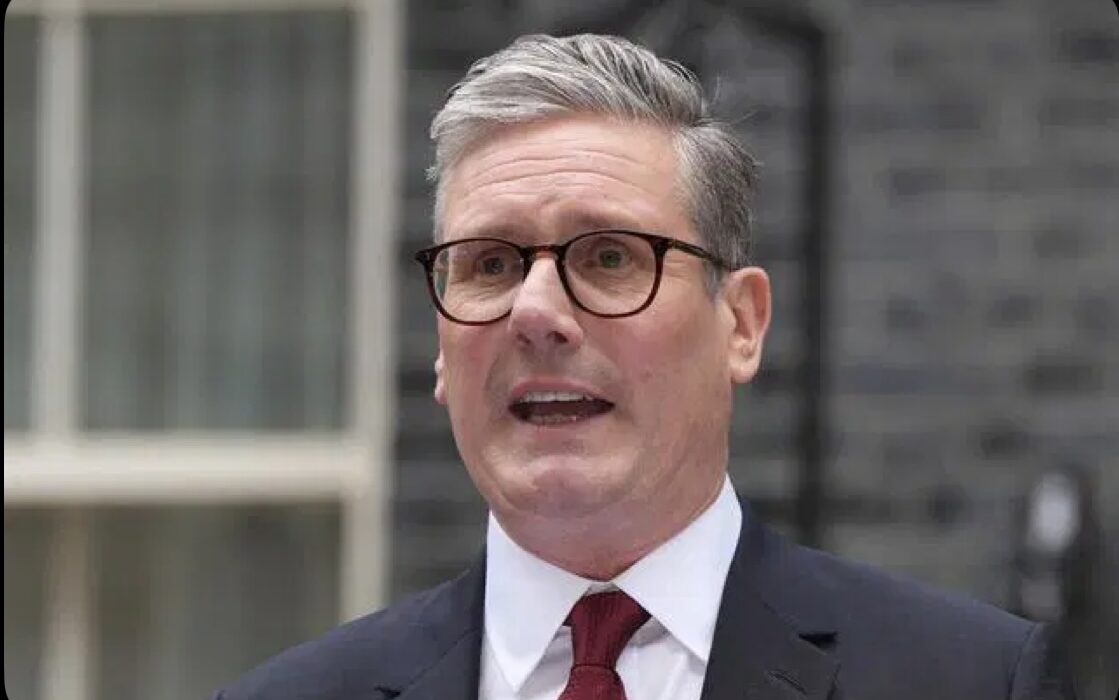
The proposed measure, unveiled by Prime Minister Keir Starmer's government, is aimed at shielding young people from harmful online content, cyberbullying, online predators, and the negative mental health effects increasingly associated with excessive social media use.
According to government officials, the proposal follows growing concerns from parents, educators, health professionals and child protection advocates who have warned that unrestricted access to social media is exposing children to risks that can have lasting consequences on their development and wellbeing.
Under the planned legislation, children below the age of 16 would be barred from creating or maintaining accounts on major social media platforms. Technology companies would be required to introduce stronger age-verification systems to ensure compliance with the new rules.
The move comes after extensive public consultations and reviews of evidence regarding the impact of social media on young users. British authorities cited research linking prolonged social media use among teenagers to increased levels of anxiety, depression, sleep disruption, low self-esteem and exposure to harmful or inappropriate content.
Prime Minister Keir Starmer said the government has a responsibility to ensure that children can enjoy the benefits of the internet without being exposed to serious risks.
“Technology can be a powerful force for good, but we must ensure that our children are protected from the dangers that exist online,” government officials said while outlining the proposal.
The planned restrictions are expected to apply to some of the world's largest social media platforms, including Instagram, TikTok, Snapchat, Facebook, X and other services that allow users to share content and communicate online.
The government is also examining whether additional controls should be imposed on certain messaging and gaming platforms that provide social networking features. The proposal has received strong backing from many parents and child welfare organisations.
Supporters argue that social media companies have not done enough to prevent children from encountering harmful material, online abuse and addictive platform features designed to maximize user engagement.
Advocates of the ban believe stricter regulations will help reduce exposure to cyberbullying, harmful trends, explicit content and online exploitation while encouraging healthier digital habits among young people.
However, the proposal has also sparked debate among privacy experts and digital rights groups. Critics have raised concerns about how age-verification requirements will be implemented and whether they could lead to increased collection of personal data from users.
Some technology experts have also questioned the effectiveness of outright bans, arguing that determined users may still find ways to circumvent restrictions through virtual private networks (VPNs) or by providing false information about their age.
Despite these concerns, government officials insist that protecting children remains the priority and that safeguards will be introduced to balance privacy rights with online safety requirements.
The United Kingdom's proposed action reflects a growing global trend toward stricter regulation of children's access to social media. Countries including Australia, Spain, Denmark and New Zealand have recently introduced or considered similar measures as governments seek to address concerns over the influence of digital platforms on young people.
If approved by Parliament, the legislation is expected to be phased in over the coming year, giving technology companies time to adapt their systems and comply with the new requirements.
The proposal marks a major step in the UK's broader effort to create a safer online environment and could become a model for other nations considering stronger protections for children in the digital age.