
Yoruba Monarchs Consider Traditional Measures to Curb Rising Insecurity

Traditional rulers across Yorubaland are considering the deployment of indigenous spiritual mechanisms and ancestral institutions as part of broader efforts to combat kidnapping, banditry and other violent crimes in the South-West.
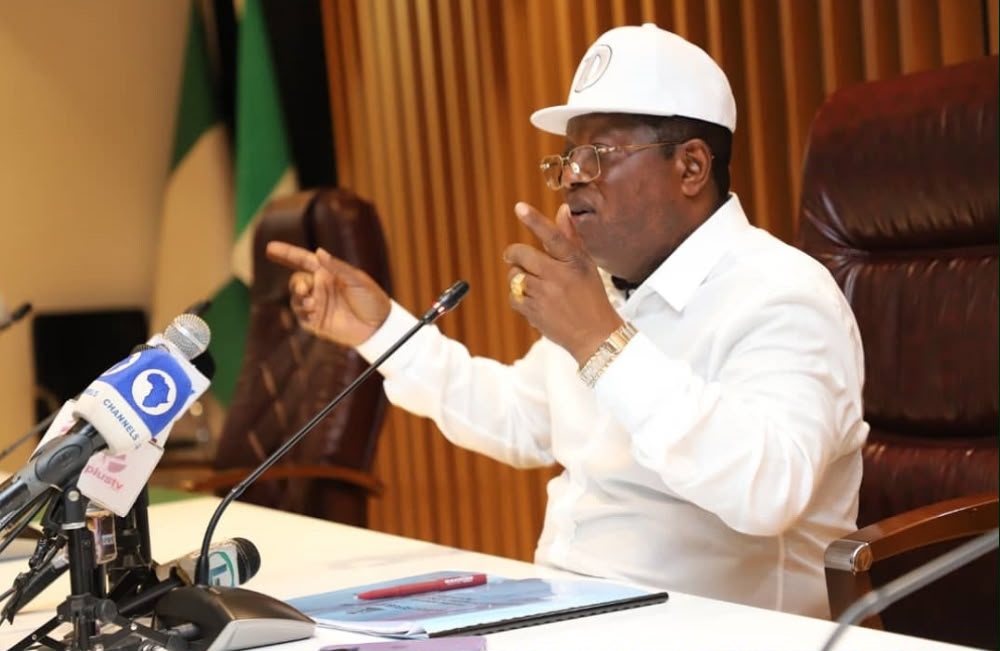
The move follows a call by the Ooni of Ife, , who urged traditional rulers to explore traditional means of addressing insecurity while continuing to collaborate with government and security agencies.
The monarch made the appeal during the grand finale of the 2026 Ifa Festival amid growing concerns over persistent abductions and violent attacks in parts of the region. The concern has been heightened by the continued captivity of more than 40 teachers and pupils abducted from schools in Oriire Local Government Area of Oyo State.
Several traditional rulers who spoke on the development said indigenous approaches were being considered as complementary measures rather than alternatives to conventional security operations.
The Olowu of Owu-Kuta, , said many traditional rulers believe indigenous institutions and ancestral practices could contribute to efforts aimed at protecting communities from criminal elements.
According to him, some communities have already begun exploring such measures while continuing to support the activities of security agencies. He added that traditional rulers were encouraging collaboration among adherents of different faiths, including Christians, Muslims and traditional worshippers, in the collective fight against insecurity.
Similarly, the Olowo of Owo and Chairman of the Ondo State Council of Obas, , said traditional institutions had historically played important roles in safeguarding communities and should be part of efforts to address contemporary security challenges.
He also reiterated support for the establishment of state police, arguing that decentralised policing combined with local community participation could strengthen security architecture across the region.
The Deji of Akure, disclosed that consultations were ongoing in his domain on how traditional institutions could contribute to community protection while operating within the framework of the law.
In Ogun State, the Onimeko of Imekoland, , said there was increasing pressure from residents for traditional rulers to take a more active role in addressing insecurity. He, however, stressed that any intervention must respect legal and human rights standards.
The Olu of Imasayi, , called for constitutional recognition of specific roles for traditional rulers, arguing that clearer legal authority would enable traditional institutions to contribute more effectively to security efforts.
Traditional worshippers have also expressed readiness to support initiatives aimed at protecting communities. Leaders of various traditional groups said indigenous spiritual systems remain part of Yoruba cultural heritage and could complement existing security strategies.
Meanwhile, the Aare Ona Kakanfo of Yorubaland, , Gani Adams , advocated a multi-dimensional approach to insecurity, urging traditional rulers, religious leaders, community groups and security agencies to work together in tackling the challenge.
According to Adams, addressing insecurity in the South-West requires both physical security measures and broader community engagement, including the participation of traditional and religious institutions in efforts to promote peace and protect lives and property.
The renewed discussions come as communities across the South-West continue to seek more effective responses to the growing threat posed by kidnappers, bandits and other criminal groups operating in the region.