
Peter Obi Faults Tinubu Administration Over Rising Debt, Demands Accountability
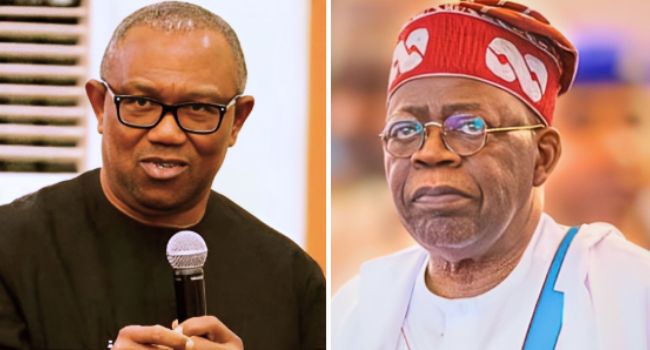
The 2027 presidential candidate of the Nigeria Democratic Congress (NDC), Mr. Peter Obi has criticised the administration of President Bola Ahmed Tinubu over what he described as excessive borrowing and a lack of transparency in the management of public finances.
In a statement posted on his social media platform on Tuesday, Obi claimed that Nigeria’s total public debt had risen to about N200 trillion under the current administration, representing an increase of more than N100 trillion within three years.
According to him, the debt accumulation far exceeds the pace recorded during the administration of , which he said accumulated approximately N49 trillion in public debt over an eight-year period.
Obi argued that the rising debt profile has intensified concerns among Nigerians about fiscal sustainability and accountability in the utilisation of borrowed funds.
Citing figures from the Budget Office, the former presidential candidate said the Federal Government borrowed N11.89 trillion between January and September 2025, surpassing its projected borrowing target of N10.34 trillion by about N1.54 trillion.
He maintained that such a deviation from approved borrowing plans should ordinarily attract scrutiny and explanations from relevant government institutions.
Obi further claimed that only N3.10 trillion of the funds borrowed during the period was allocated to capital expenditure, representing a small fraction of the N17.58 trillion budgeted for capital projects.
He questioned how the remaining funds were utilised, calling for greater transparency and public disclosure regarding government spending and debt management.
The former Anambra State governor warned that continued borrowing without corresponding investments in productive sectors could place additional strain on the economy and future generations.
Nigeria has experienced increasing debt pressures since the implementation of major economic reforms by the Tinubu administration in 2023, including the removal of fuel subsidies and the unification of the foreign exchange market.
While government officials have argued that borrowing is necessary to finance critical infrastructure and development projects, critics have expressed concerns over rising debt-servicing obligations and the long-term sustainability of the country’s fiscal position.
President Tinubu had earlier disclosed that Nigeria plans to spend approximately $11.6 billion on debt servicing in 2026, a figure that has further fueled debate over the country’s borrowing strategy and economic priorities.
The Federal Government has yet to officially respond to Obi’s latest remarks.