



Muda Yusuf Criticises Senate’s Proposed Sugar Tax, Says It Prioritises Revenue Generation
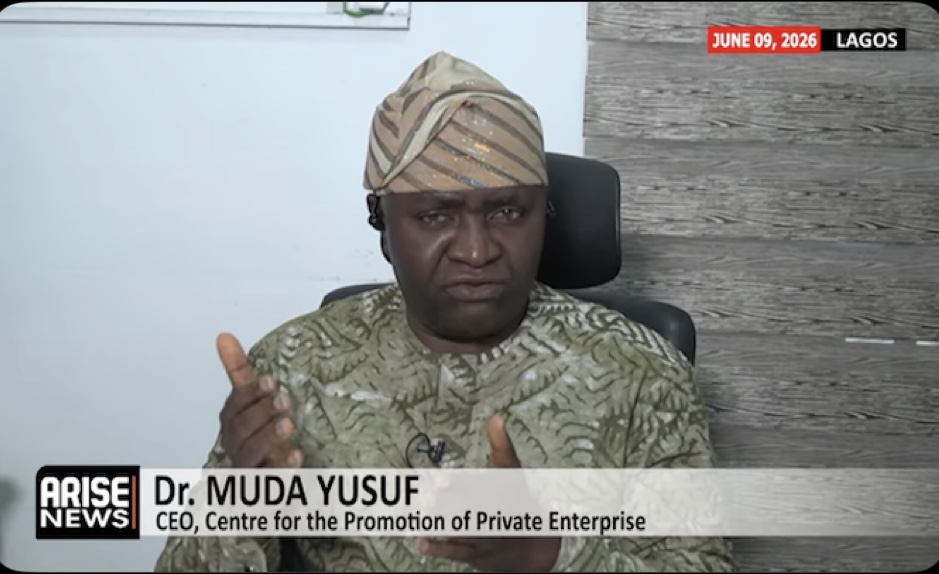
The Chief Executive Officer of the Centre for the Promotion of Private Enterprise (CPPE), Muda Yusuf, has criticised the Senate’s proposed Sugar-Sweetened Beverage (SSB) levy, arguing that the measure prioritises revenue generation over evidence-based public health objectives.
Yusuf made the remarks following the Senate’s consideration of amendments to Nigeria’s excise duty framework on sugar-sweetened beverages.
The proposal seeks to increase taxation on sugary drinks as part of efforts to curb the rising incidence of non-communicable diseases and generate additional funding for healthcare programmes.
According to Yusuf, the proposed levy would place additional pressure on manufacturers already struggling with a challenging business environment characterised by high production costs, rising energy prices, foreign exchange volatility, elevated interest rates, and multiple taxation.
He warned that increasing taxes on beverages could negatively affect investment, production, and employment within the manufacturing sector, while also reducing the competitiveness of local industries.
“The proposed levy appears to prioritise revenue generation over evidence-based public health objectives,” Yusuf stated, stressing that there is limited evidence to suggest that higher taxes on sugary drinks alone can effectively address health challenges such as obesity and diabetes.
The CPPE boss argued that factors including poor dietary habits, inadequate health education, sedentary lifestyles, and limited access to quality healthcare play more significant roles in the prevalence of non-communicable diseases than sugar consumption alone.
He urged policymakers to consider alternative approaches focused on public awareness campaigns, nutrition education, preventive healthcare programmes, and incentives that encourage healthier lifestyles rather than imposing what he described as punitive taxes on manufacturers and consumers.
Yusuf further noted that the proposed tax could lead to higher retail prices for beverages, placing an additional burden on consumers at a time when many Nigerians are grappling with rising living costs and declining purchasing power.
Despite the criticism, supporters of the levy maintain that the measure is consistent with global efforts to reduce excessive sugar consumption and improve public health outcomes.
They argue that revenue generated from the tax could be channelled into healthcare services and disease prevention programmes.
As debate continues over the proposal, stakeholders within the manufacturing sector have called for broader consultations before any final decision is taken, warning that policies aimed at improving public health should also take into account their potential economic consequences.