



Consumers Say Decline in Palm Oil Prices Offers Limited Relief
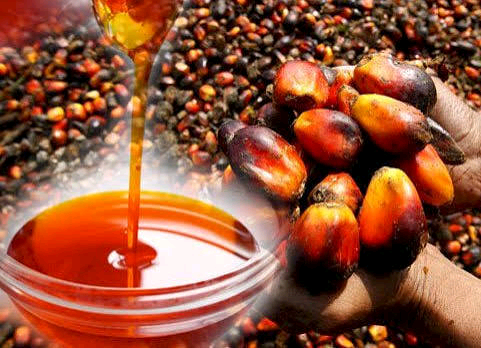
Traders and consumers in Benin City have expressed cautious optimism over the recent decline in palm oil prices, warning that unstable supply chains, transportation costs and inflation could reverse the trend.
A survey conducted by the News Agency of Nigeria at Oba, New Benin and Uselu markets showed that the price of a litre of palm oil has dropped from between ₦1,500 and ₦1,600 to around ₦1,200 and ₦1,300 in several outlets.
Despite the reduction, traders and residents said the commodity remains beyond the reach of many low-income households, noting that the price cut has done little to ease prevailing economic hardship.
Respondents linked the temporary decline to improved supplies from palm oil-producing communities in the South-South and South-East regions, as well as better fuel availability that has slightly reduced transportation costs along some distribution routes.
A trader at New Benin Market, Joy Fulani, said the reduction had led to a slight improvement in customer patronage.
According to her, palm oil previously sold for between ₦1,500 and ₦1,600 per litre before prices dropped to about ₦1,200 and ₦1,300.
Wholesaler Ike Osinachi attributed the decline to increased supply, but warned that the market remains unstable.
He said prices tend to rise again whenever supply drops, adding that there has been no lasting stability in the market.
A transporter, Peter Asen, also blamed fluctuating petrol and diesel prices for the persistent increase in food costs across the country.
He noted that higher transport expenses are often transferred directly to consumers through market prices.
Meanwhile, residents and market leaders called on the government to improve rural infrastructure, support local palm oil production and stabilise transportation costs to help sustain the current price reductions.
They also urged authorities to implement broader economic measures to ease the rising cost of living faced by many Nigerians.