
Government Reconsiders Shortening School Year Amid World Cup Backlash
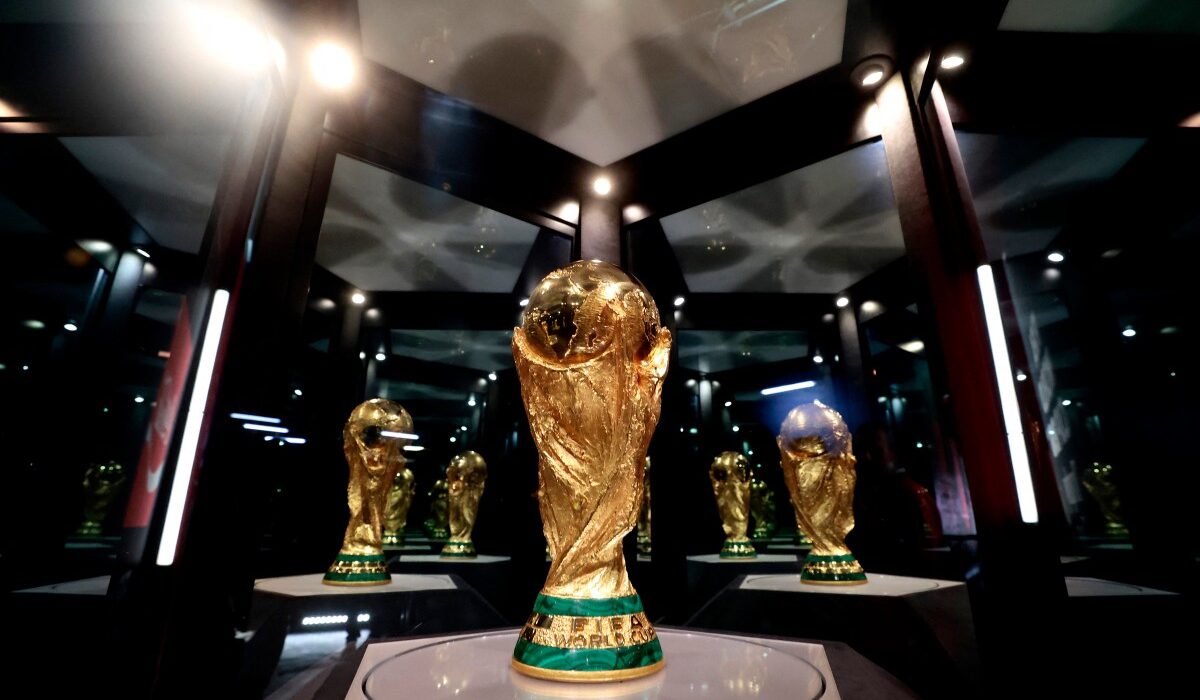
Following a week of intense criticism from educational unions and parent advocacy groups, the Mexican Secretariat of Public Education (SEP) has announced it will “re-evaluate” its controversial proposal to truncate the 2025–2026 academic calendar.
The initial plan, aimed at easing logistics during the upcoming FIFA World Cup, sparked a national debate over the priority of sports versus the classroom.
The proposed adjustment would have seen the school year end up to three weeks early in host cities like Mexico City, Guadalajara, and Monterrey. Officials originally argued that the measure was necessary to alleviate the “unprecedented” strain on public transportation and infrastructure expected as millions of international fans descend on the country.
The backlash was swift and decisive. The National Union of Education Workers (SNTE) issued a statement condemning the move, arguing that students are still recovering from the “learning poverty” exacerbated by recent years of disruption.
“While the World Cup is a moment of national pride, the education of our youth cannot be the price of admission,” the statement read.
Parents across the capital organized social media campaigns under the hashtag #AulasNoEstadios (Classrooms, Not Stadiums), pointing out that many working families rely on the school schedule for childcare and stability.
In a press conference held on Monday, SEP representatives signaled a willingness to explore alternative solutions. Rather than a blanket closure of schools, the government is now considering:
Hybrid Learning Models: Transitioning schools in high-traffic zones to remote learning during match days.
Staggered Schedules: Shifting school hours to avoid peak “fan zones” traffic.
Localized Holidays: Limiting closures strictly to the specific dates of matches held within each host city, rather than a nationwide calendar cut.
The logistical challenge is undeniable. With Mexico hosting matches at the iconic Estadio Azteca, the government is under immense pressure to ensure the city doesn’t grind to a halt. However, economists warn that the optics of prioritizing a month-long tournament over foundational education could have long-term political consequences.
As FIFA officials arrive this week for final inspections, the Mexican government finds itself in a difficult tactical position—trying to deliver a world-class sporting event without being accused of dropping the ball on its commitment to the next generation. A final decision on the revised calendar is expected by the end of the month.